

Gaming isn’t just for hardcore players anymore. In recent years, a new trend has quietly taken over consoles, PCs, and mobile screens across the world — and it doesn’t involve combat, leaderboard rankings, or high-stakes challenges. Welcome to the warm, welcoming world of cozy gaming, where relaxation takes center stage and stress is left at the door.
Once dominated by fast-paced shooters and competitive online matches, the gaming landscape is being redefined by titles like Stardew Valley, Animal Crossing: New Horizons, Spiritfarer, and Unpacking. These games focus on calm, creativity, and emotional connection — rather than competition and adrenaline. And their growing popularity is shifting not just what we play, but why we play.
What is Cozy Gaming?
Cozy gaming isn’t a genre, but rather a vibe. It refers to games that emphasize comfort, creativity, and low-stakes play. There’s no losing. No time limits. No intense pressure. Instead, you might spend your time tending a virtual farm, decorating a digital cottage, fishing, cooking, or befriending quirky characters in a quiet pixelated village.
These games often share common traits:
- Wholesome storylines (or none at all)
- Gentle aesthetics: soft colors, ambient music, and friendly design
- Non-violent gameplay
- Slow-paced, open-ended goals
- Emotionally resonant themes
But more than what happens on screen, cozy gaming is about how it makes you feel — safe, soothed, and at ease.
From Competitive to Comfort: A Cultural Shift
For decades, video games have been associated with action, competition, and intensity. Games like Call of Duty, Fortnite, and League of Legends still dominate the industry in terms of revenue. But something significant changed in 2020 — and its ripple effect continues today.
The COVID-19 pandemic was a turning point. People were stuck at home, stressed, and searching for comfort. Enter Animal Crossing: New Horizons. Released in March 2020, it offered players a whimsical island getaway where they could garden, catch bugs, and chat with animal neighbors. It became more than just a game — it was therapy, a social lifeline, and a creative outlet rolled into one.
Sales skyrocketed. Community forums blossomed. And a broader audience — particularly women, older adults, and non-traditional gamers — found a new home in gaming.
Cozy games became a balm for collective anxiety. And that shift has stuck.
Who’s Playing?
Contrary to outdated stereotypes, gamers today span all genders and age groups. According to a 2023 report by the Entertainment Software Association (ESA), 48% of gamers in the U.S. are women, and the average age of a gamer is 33. Cozy gaming plays a big role in this inclusivity.
- Women often find cozy games to be welcoming, community-driven, and free from the toxic competitiveness that can pervade other gaming spaces.
- Older adults appreciate the slower pace and accessible controls.
- Busy professionals and parents turn to cozy games as a way to unwind at the end of the day.
Cozy games create safe spaces — places where emotions are welcome, self-expression is encouraged, and there’s no need to “win” to enjoy the experience.
The Therapeutic Side of Cozy Gaming
Mental health professionals have started to take notice of cozy gaming’s benefits. Unlike traditional video games that elevate heart rate and competitive stress, cozy games promote mindfulness, creativity, and emotional regulation.
Therapists have used titles like Spirit farer, which deals with death and grieving in a gentle, meaningful way, to help clients explore loss. Games like Unpacking — where you simply unpack boxes and decorate a room — help players find emotional catharsis through order and memory.
And then there’s the routine of cozy gaming: the daily watering of plants, feeding of animals, collecting of resources. These small, manageable tasks can provide a sense of control and comfort — especially in times of real-world chaos.
The Aesthetic That Fuels a Movement
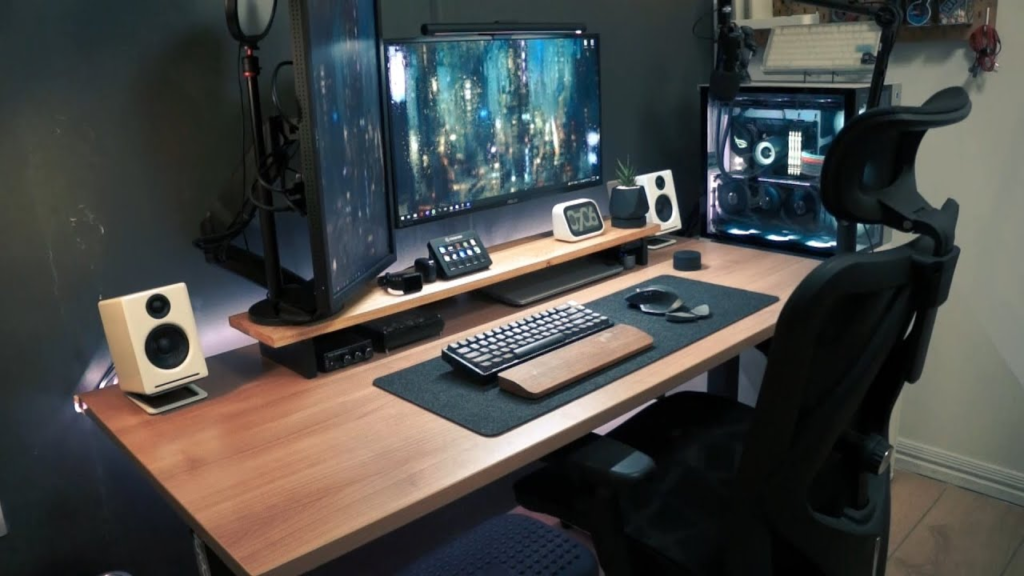
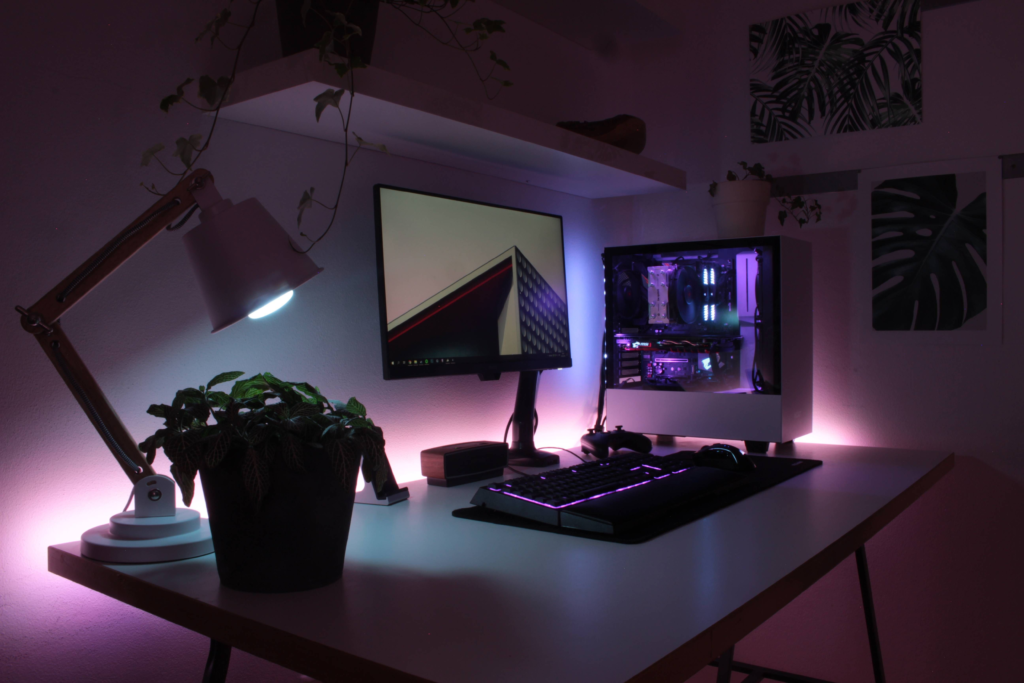
Cozy gaming isn’t just a mode of play — it’s a lifestyle aesthetic. Think neutral tones, plush blankets, pastel lighting, and vintage console setups. The “cozy gamer” aesthetic has taken over platforms like TikTok and Instagram, with influencers showcasing ambient game rooms, “slow gaming” rituals, and #CozyGaming setups that resemble hygge havens.
YouTubers and Twitch streamers have capitalized on this niche as well, building massive followings through relaxing gameplay streams. Rather than high-energy commentary, they offer soft-spoken walkthroughs and ambient playlists, creating spaces that feel like virtual sleepovers.
Even major brands are catching on. Nintendo markets many of its titles with a softer, lifestyle-focused angle. Indie studios are also booming — many founded by women or LGBTQ+ developers — creating games that break the mold of traditional male-dominated game design.
Top Cozy Games to Try Right Now
- Stardew Valley – A farming sim that doubles as a heartwarming exploration of small-town life and relationships.
- Animal Crossing: New Horizons – Live on an island with animal friends, build your home, and let the seasons pass peacefully.
- Unpacking – A meditative puzzle game that tells a life story through the act of unpacking moving boxes.
- Spiritfarer – A beautiful management game about caring for spirits before they move on to the afterlife.
- Coffee Talk – Serve warm drinks and listen to intimate stories in a cozy café filled with fantasy creatures.
- Disney Dreamlight Valley – Mix of farming and questing with beloved Disney characters in a dreamy setting.
- Garden Paws – Run a farm and a shop in an adorable animal-populated world.
- Dredge – A cozy-turned-creepy fishing game with stunning atmosphere and slow-burn storytelling.
What’s Next for Cozy Gaming?
Cozy gaming isn’t a fad — it’s a recalibration of what gaming can be. As more players seek mental wellness, connection, and creativity, this corner of the industry is set to grow. Major studios are exploring “gentler” game mechanics. Developers are crafting narrative-driven, emotion-first titles. And players are finding new ways to game for joy — not just for points.
The industry is listening. Cozy gaming is shaping the future of game development by showing that slowness, softness, and sincerity can be powerful forms of play.
Final Thought: A Gentle Revolution
In a world that often glorifies hustle, speed, and domination, cozy gaming offers something radical — rest. It tells us we don’t have to race, we don’t have to fight, we don’t even have to win to feel fulfilled.
We can just be — in our gardens, in our pixel homes, in our quiet quests.
And sometimes, that’s exactly what we need.

Passionate about journalism and media, I am committed to producing content that is not only informative and engaging but also drives social change. I advocate for women’s empowerment and gender equality, mentoring aspiring female journalists and media professionals. My approach is rooted in creativity, collaboration, and a relentless pursuit of excellence, ensuring that every project I undertake achieves its maximum potential.