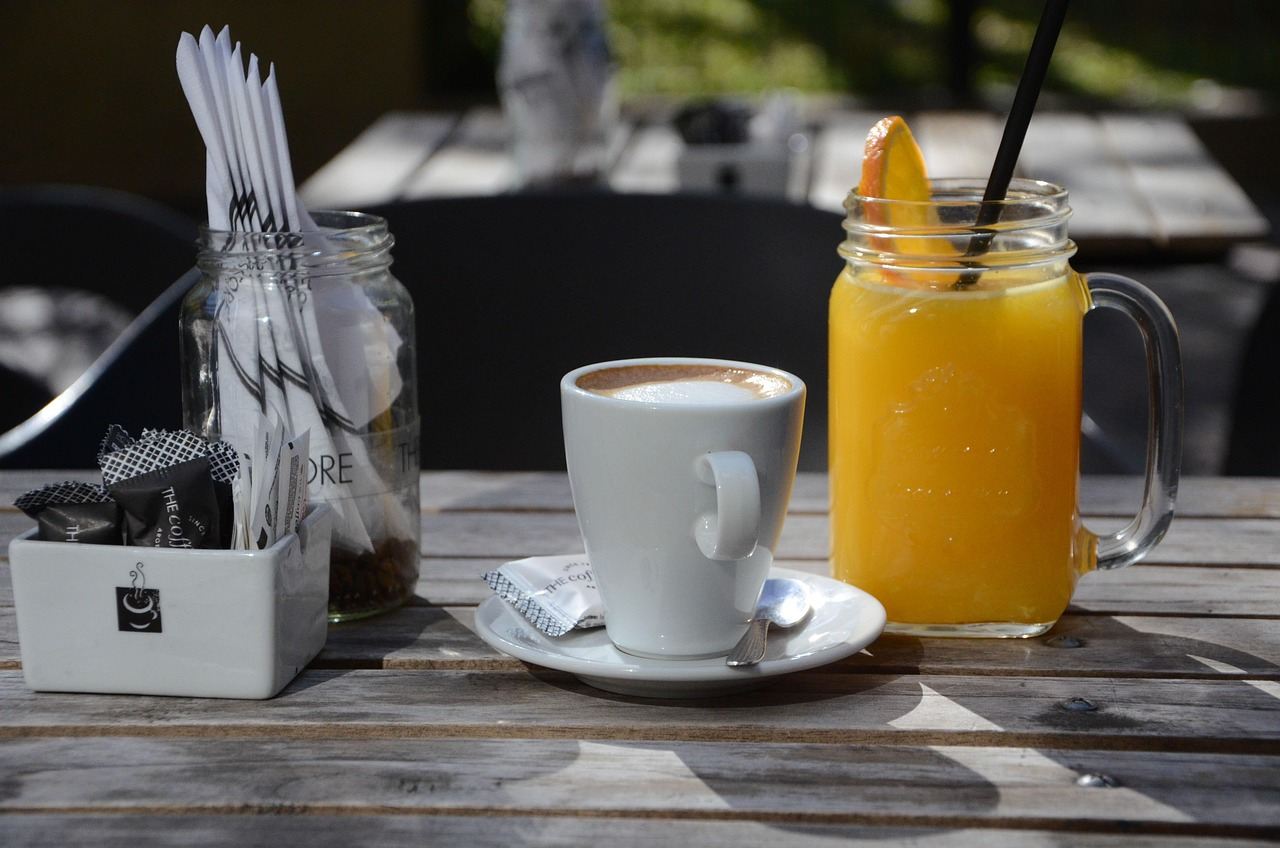
Luxury has a magnetic pull on consumers worldwide, transcending cultures and demographics. But what exactly drives our desire for high-end goods? Beyond the surface appeal of beautiful objects and exclusivity, there is a complex psychological landscape underpinning luxury consumption. Understanding these motivations offers insights into human behavior, identity, and social dynamics that shape how and why luxury continues to captivate.
The Role of Status and Social Signaling
One of the most fundamental drivers of luxury consumption is status signaling. Luxury goods serve as visual markers that communicate wealth, success, and social position. Humans are inherently social creatures, and demonstrating status can influence perceptions, relationships, and access to resources.
Wearing a luxury watch or carrying an elegant handbag sends a message about one’s accomplishments and tastes. This social signaling reinforces self-esteem and can elicit admiration or envy, fulfilling a psychological need for recognition.
The Pursuit of Self-Identity and Expression
Luxury consumption is also deeply connected to self-identity. People often use luxury goods to express who they are or who they aspire to be. High-end items can embody personal values such as taste, sophistication, and cultural awareness.
For many, luxury is a form of storytelling—a way to craft a desired image or align with particular lifestyles. This expressive function is why some consumers choose products based on symbolic meaning as much as on practical utility.
The Desire for Quality and Authenticity
Beyond status, many consumers seek luxury for its promise of superior quality and craftsmanship. Owning a well-made luxury item offers psychological comfort—knowing it will last, perform well, and reflect genuine artistry.
This appreciation of authenticity and enduring value satisfies the human preference for reliability and beauty, providing a sense of satisfaction that transcends mere consumption.
The Hedonic Experience of Luxury
Luxury products often provide sensory pleasure and emotional uplift. The tactile feel of fine leather, the sparkle of gemstones, or the smoothness of silk engage the senses and create moments of joy.
This hedonic experience taps into the desire for indulgence and reward, making luxury consumption a form of self-care or celebration.
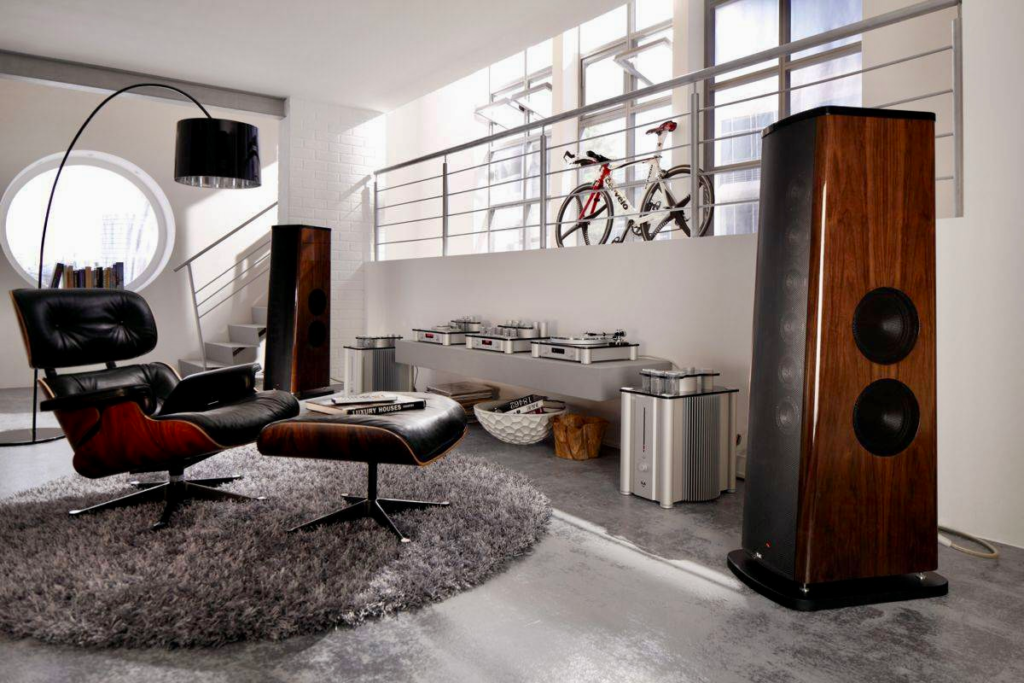
The Role of Rarity and Exclusivity
Scarcity enhances desirability. Limited editions or bespoke products evoke feelings of uniqueness and privilege. Owning something rare creates a sense of specialness that appeals to the human need to stand out and feel valued.
Exclusivity also fosters emotional attachment, as consumers feel part of a select group with access to the exceptional.
Psychological Ownership and Attachment
The concept of psychological ownership describes how individuals develop emotional bonds with possessions. Luxury items, often associated with meaningful life moments or personal achievements, become extensions of the self.
This attachment can increase perceived value and satisfaction, reinforcing repeat luxury purchases and brand loyalty.
Coping Mechanism and Reward
For some consumers, luxury serves as a coping mechanism or reward system. Purchasing high-end goods can provide comfort during stressful times or mark important milestones and successes.
This behavior is linked to dopamine release in the brain, reinforcing positive feelings and making luxury acquisition emotionally gratifying.
Cultural and Social Influences
Cultural norms and social environments shape luxury perceptions. In some societies, conspicuous consumption is celebrated, while in others, subtlety and understatement prevail.
Peer influence, media, and advertising also mold desires and ideals around luxury, contributing to its aspirational power.
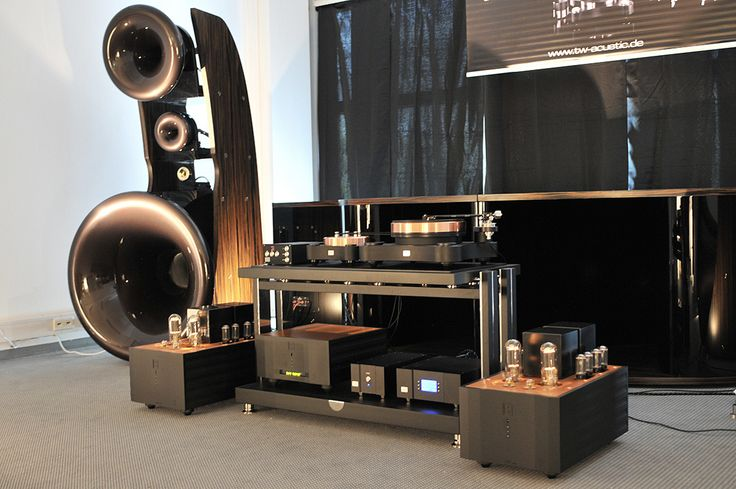
The Balance Between Functional and Symbolic Value
Luxury goods offer both functional utility and symbolic meaning. While a luxury car provides reliable transportation, it also conveys status and style. Understanding this dual value helps explain the multifaceted motivations behind luxury purchases.
Consumers may prioritize one aspect over the other depending on personal preferences and contexts.
The Rise of Experiential Luxury
Modern consumers increasingly favor experiences over possessions. This shift reflects a psychological preference for lasting memories and emotional connections rather than material accumulation.
Experiential luxury—such as exclusive travel or fine dining—provides social currency and personal enrichment, complementing traditional goods-based luxury.
The Dark Side: Overconsumption and Materialism
While luxury can inspire joy and self-expression, excessive focus on material wealth can lead to dissatisfaction, debt, and social comparison.
Recognizing the psychological drivers can help consumers make mindful choices that balance enjoyment with well-being.
Understanding Luxury’s Psychological Allure
Luxury captivates because it taps into deep human needs: for status, identity, quality, pleasure, and belonging. It offers a way to navigate social worlds, express individuality, and experience delight.

Passionate about journalism and media, I am committed to producing content that is not only informative and engaging but also drives social change. I advocate for women’s empowerment and gender equality, mentoring aspiring female journalists and media professionals. My approach is rooted in creativity, collaboration, and a relentless pursuit of excellence, ensuring that every project I undertake achieves its maximum potential.