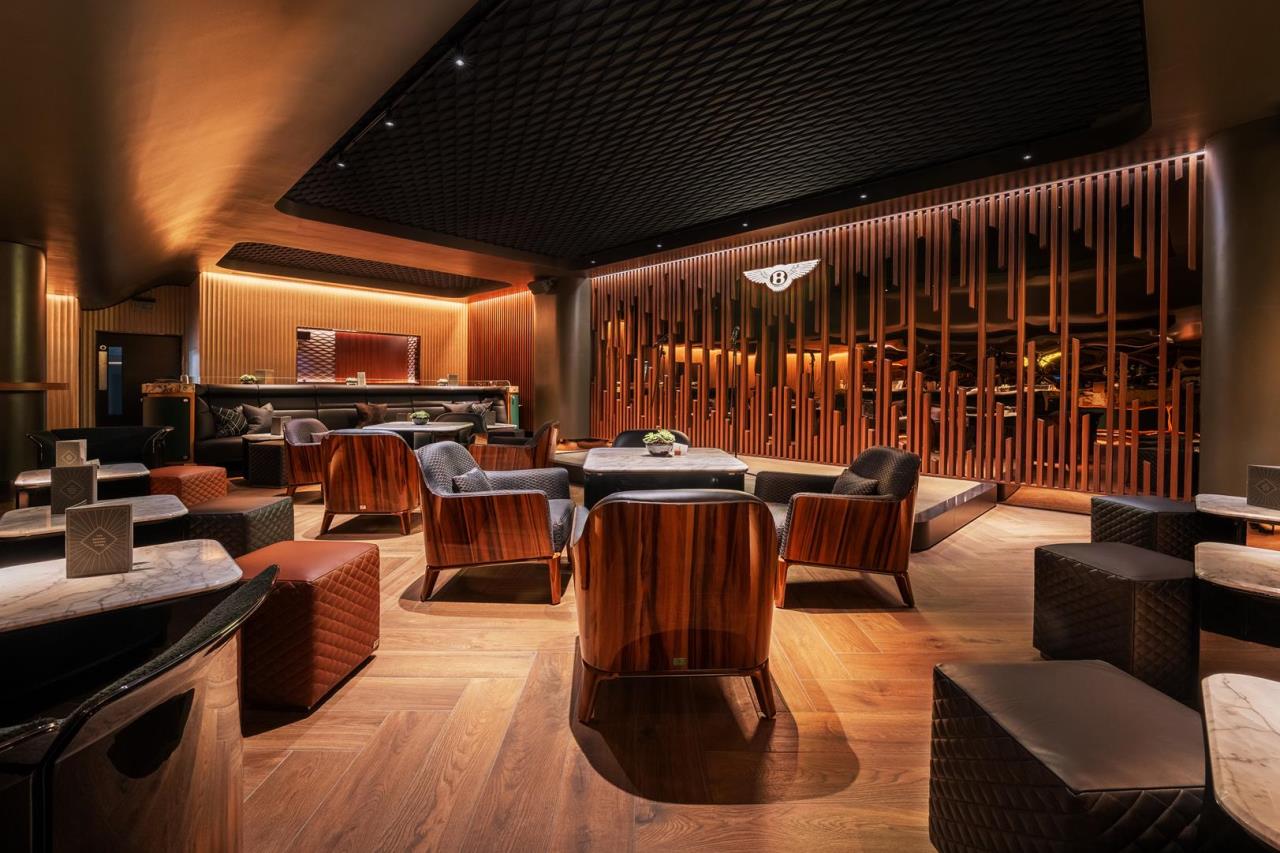
Luxury has long been synonymous with exclusivity — owning rare, exquisite items that symbolize status, wealth, and refinement. Yet, over the past few decades, luxury has undergone a profound transformation. Today, it is less about possessing objects and more about curating unique, immersive experiences that enrich life beyond material ownership. This shift reflects broader societal changes, evolving consumer values, and a desire for deeper meaning and personal connection.
Luxury’s Historical Roots in Exclusivity
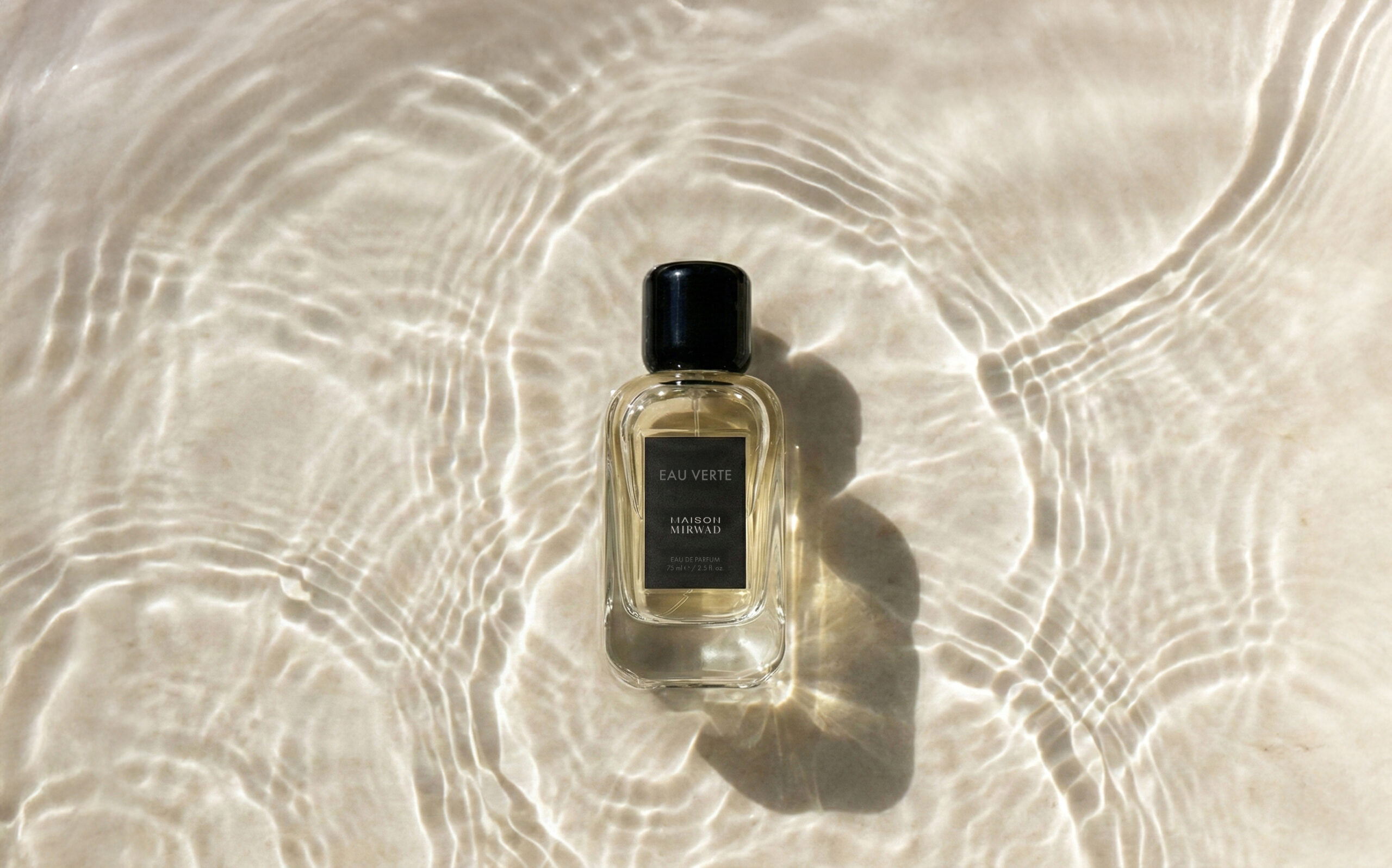
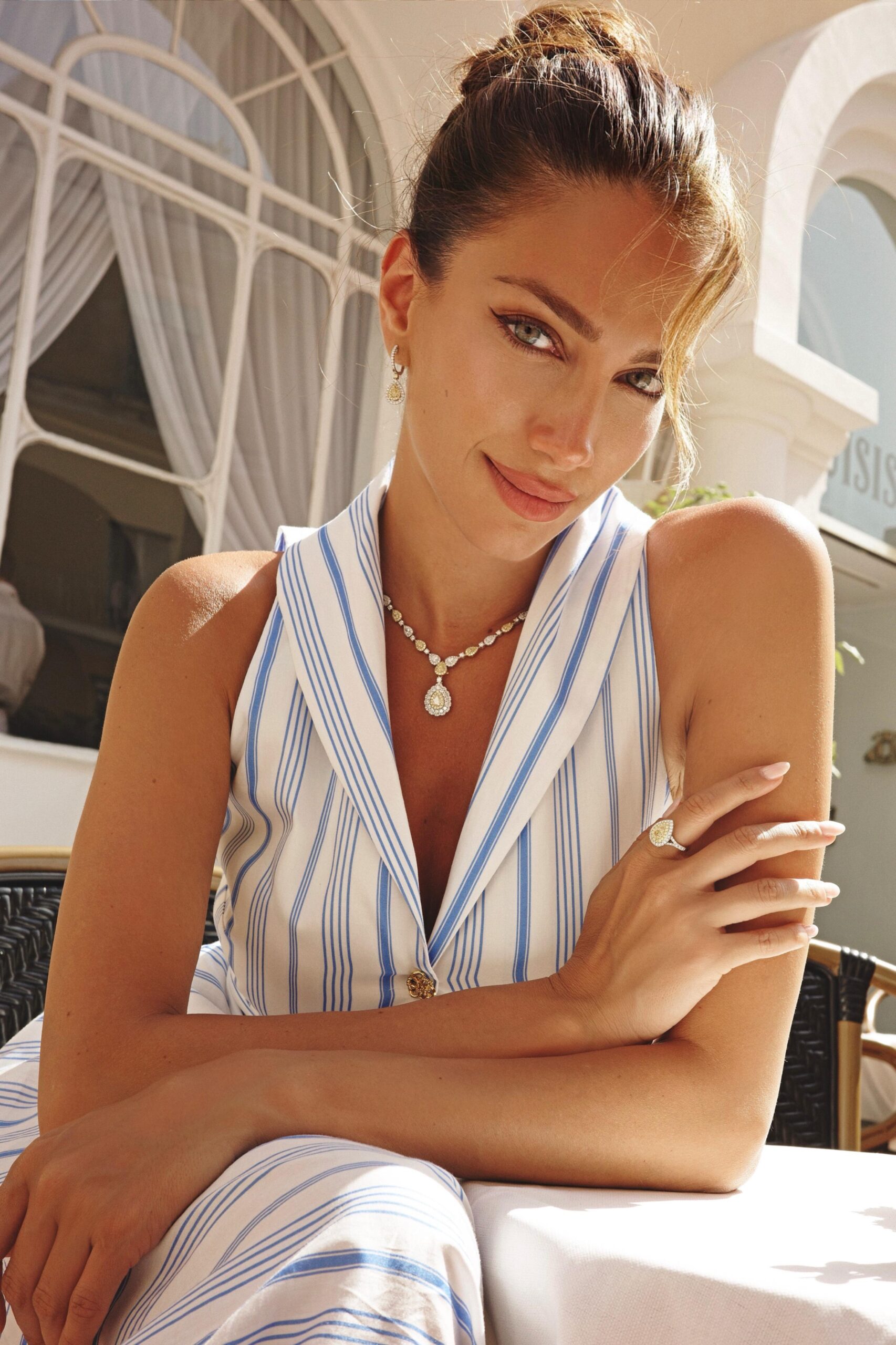
Traditionally, luxury was defined by rarity and craftsmanship. Owning a finely tailored suit, a handcrafted timepiece, or an ornate jewel was a clear marker of privilege. Access to such items was restricted to a select few, making exclusivity the core of luxury’s appeal.
The prestige of luxury goods derived not only from their scarcity but also from their ability to visibly signal success. These possessions acted as status symbols, reinforcing social hierarchies and personal identity.
Changing Consumer Mindsets
As societies modernized and wealth became more widely distributed, the dynamics of luxury consumption began to shift. Increased access to luxury goods led to a democratization that somewhat diluted the aura of exclusivity.
Simultaneously, a new generation of consumers emerged with different priorities. Millennials and Gen Z value authenticity, purpose, and experiences over mere ownership. They seek meaningful engagement and emotional resonance in what they consume. This has driven luxury to evolve beyond materiality into realms of personalized experiences and emotional fulfillment.
Experience as the New Luxury
Experience-driven luxury emphasizes moments, memories, and stories over objects. It focuses on how consumers feel rather than what they possess. This can include:
- Curated travel that offers cultural immersion and personal growth.
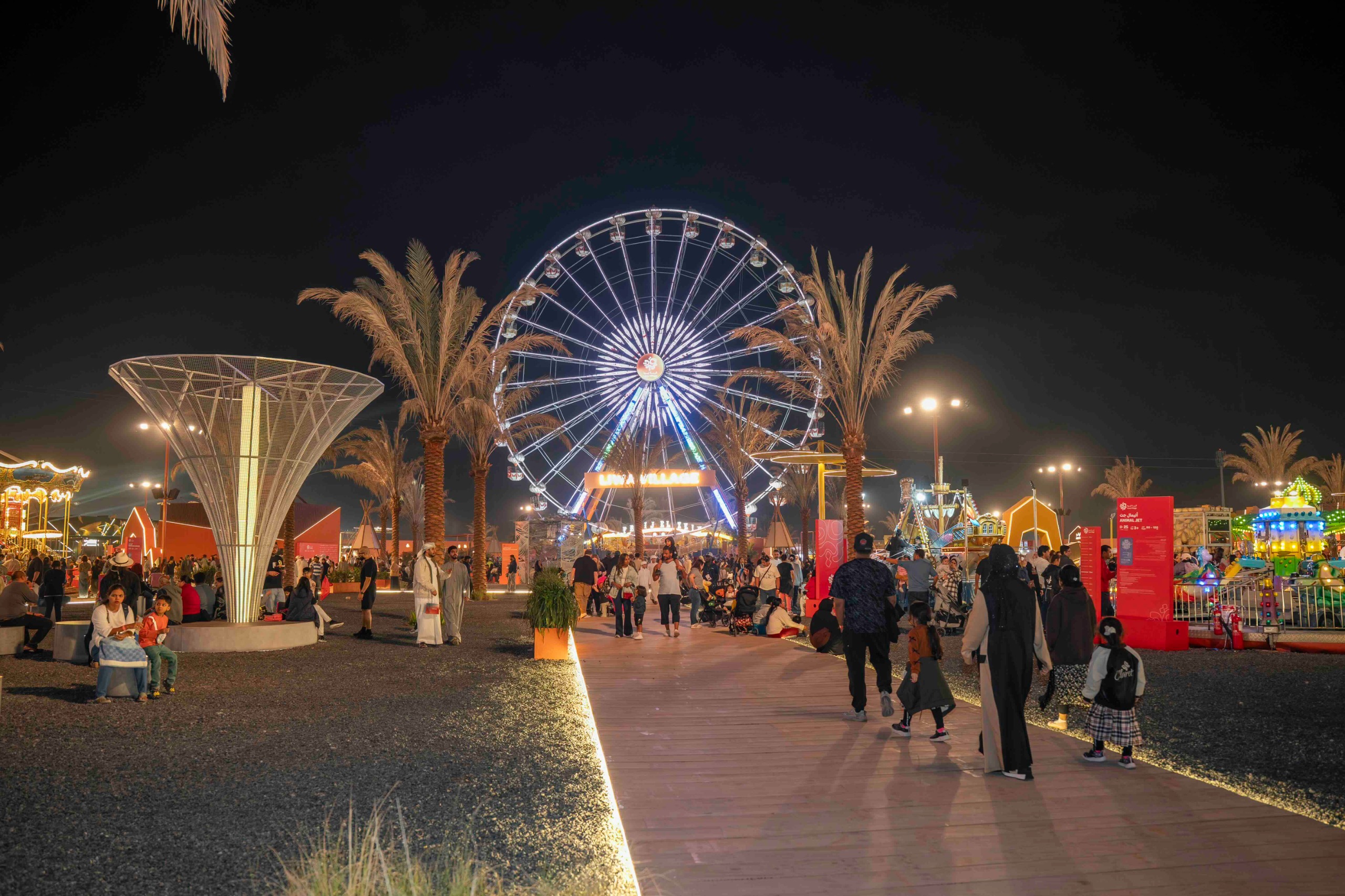
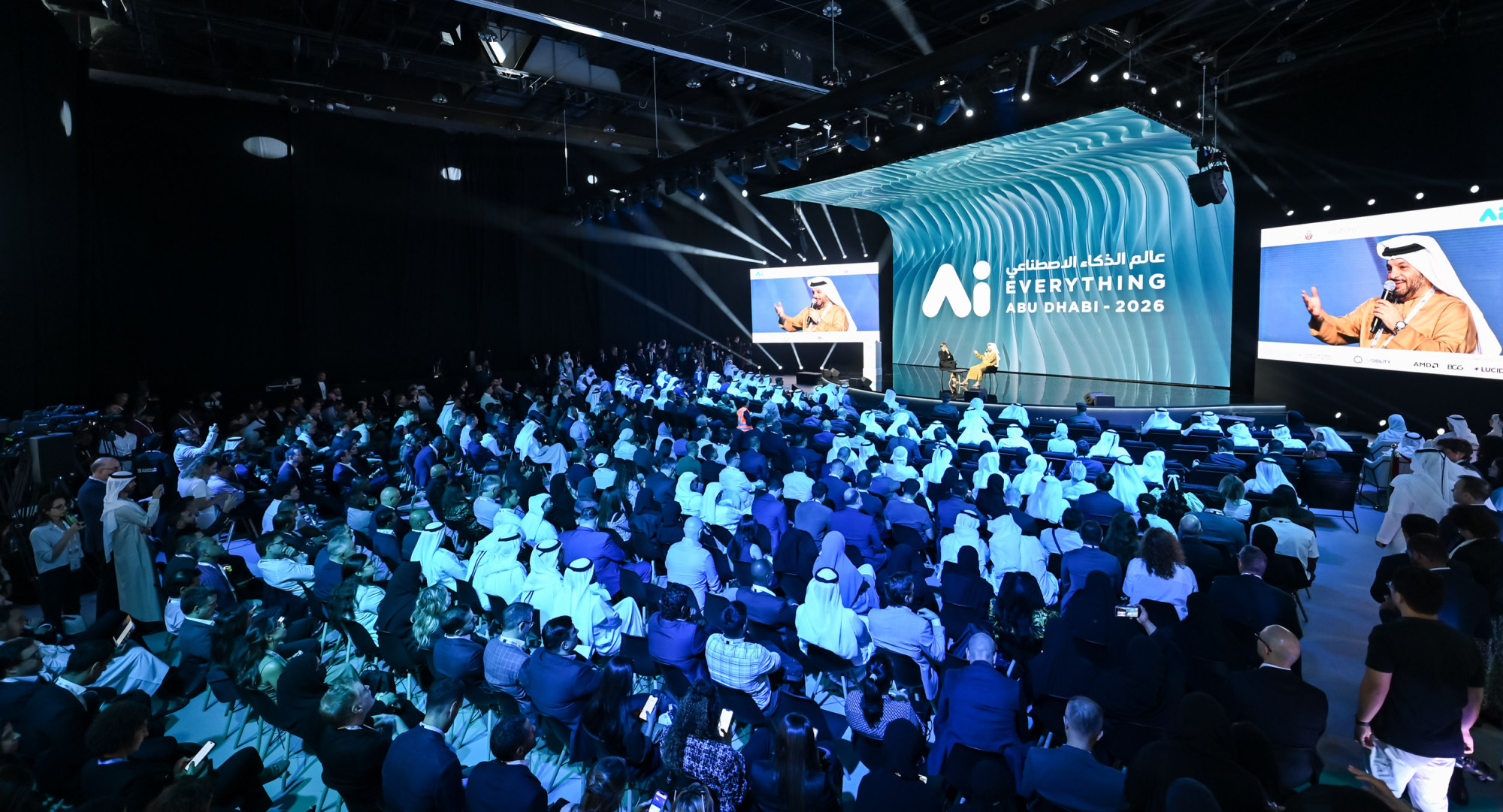
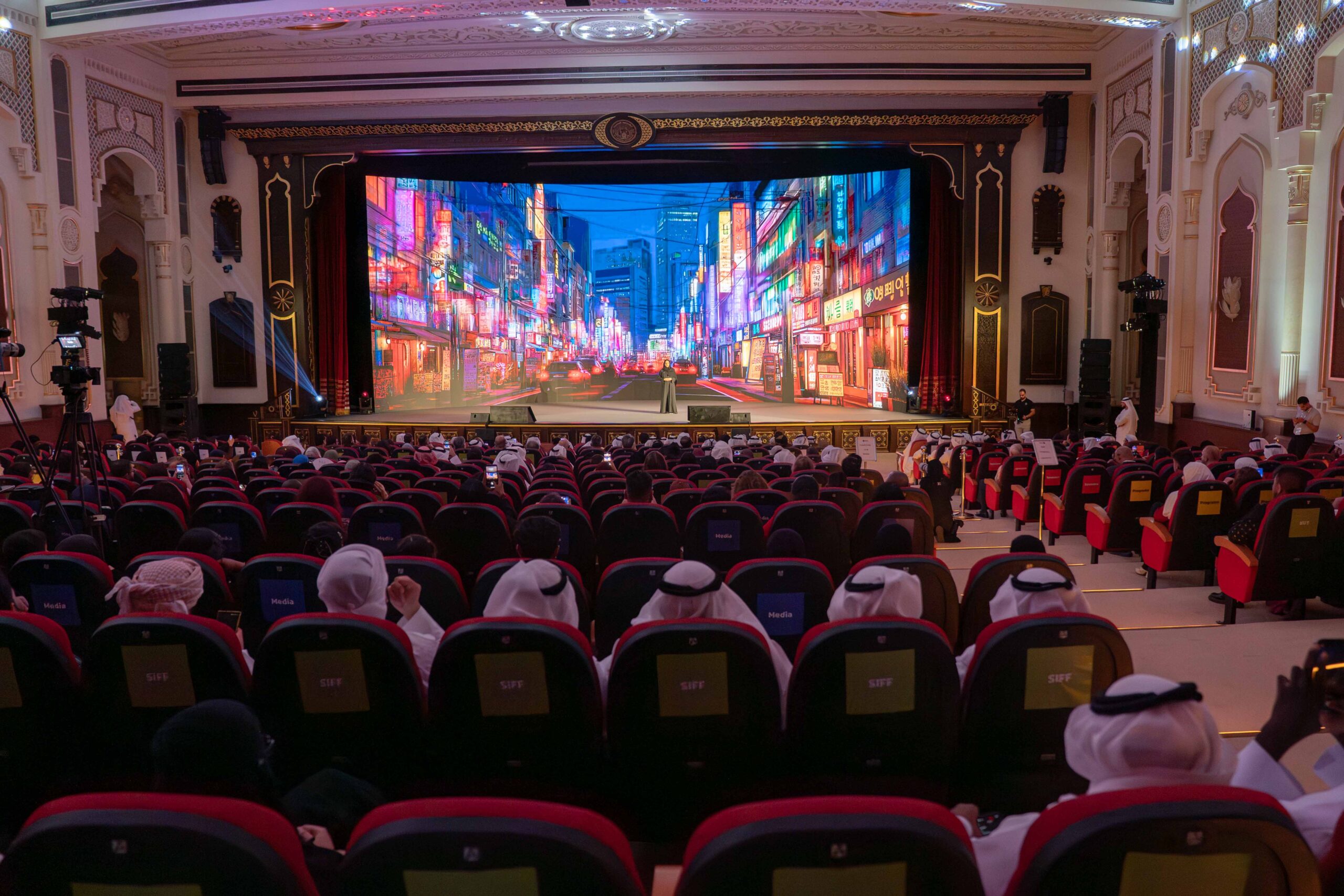
- Exclusive events that create social connection and unique atmospheres.
- Bespoke services tailored to individual preferences, creating a sense of personal attention and care.
- Wellness retreats that promote holistic well-being and rejuvenation.
In this framework, luxury becomes a gateway to enriching one’s life and identity rather than simply showcasing wealth.

Personalization and Customization
A key feature of this evolution is personalization. Luxury consumers increasingly expect experiences and products tailored to their tastes, needs, and values.
Whether it’s a custom-designed wardrobe, a private dining experience crafted by renowned chefs, or a travel itinerary curated to specific interests, customization deepens the connection between the consumer and the brand or service.
This bespoke approach creates a feeling of exclusivity rooted in personal relevance rather than mass scarcity.
The Role of Technology
Technology has played a pivotal role in enabling experiential luxury. Digital platforms allow consumers to explore, design, and book personalized experiences globally. Virtual and augmented reality are creating immersive previews of luxury destinations or products, enhancing decision-making and anticipation.
Furthermore, luxury brands use data analytics and artificial intelligence to understand consumer preferences and offer hyper-personalized recommendations and services.
Social Media and the Democratization of Luxury Experiences
While experiences are often designed to be exclusive, social media platforms have made luxury more visible and accessible through shared moments. The “Instagram effect” means luxury experiences are curated with shareability in mind, blending exclusivity with connectivity.
This democratization challenges brands to balance the desire for private indulgence with the appeal of public recognition.
Sustainability and Conscious Luxury Experiences
Modern luxury consumers are also increasingly aware of sustainability and ethical considerations. They value experiences that are responsible, authentic, and contribute positively to communities and the environment.
This has led to the rise of eco-friendly luxury travel, socially conscious events, and artisan collaborations that celebrate heritage and craftsmanship in sustainable ways.
Luxury as Self-Expression and Well-Being
The shift toward experiences reflects a broader cultural trend where luxury is tied to self-expression, personal growth, and well-being.
Rather than accumulating possessions, consumers invest in experiences that align with their identities and aspirations. Luxury becomes a tool for storytelling, empowerment, and holistic fulfillment.

Challenges for Brands in the Experience Economy
For luxury brands accustomed to product-focused prestige, adapting to experience-driven luxury poses challenges:
- Creating authentic, high-quality experiences requires new expertise beyond traditional manufacturing.
- Balancing exclusivity with accessibility demands careful strategy.
- Integrating technology while preserving intimacy and personal connection can be complex.
- Measuring the return on investment for experiential offerings is less straightforward than tracking product sales.
Nevertheless, brands that succeed in this space can build deeper loyalty, brand equity, and relevance.
A New Definition of Luxury
Luxury today transcends objects to embrace experiences, emotions, and values. It invites consumers to engage deeply, personalize meaning, and enrich their lives. While exclusivity remains important, it now resides in the uniqueness of experience rather than mere ownership.
This evolution reflects a more holistic, human-centered approach to luxury — one that blends beauty, craftsmanship, culture, and connection into unforgettable moments. As consumer expectations continue to evolve, the future of luxury will increasingly be shaped by the stories we live, not just the things we possess.
Passionate about journalism and media, I am committed to producing content that is not only informative and engaging but also drives social change. I advocate for women’s empowerment and gender equality, mentoring aspiring female journalists and media professionals. My approach is rooted in creativity, collaboration, and a relentless pursuit of excellence, ensuring that every project I undertake achieves its maximum potential.