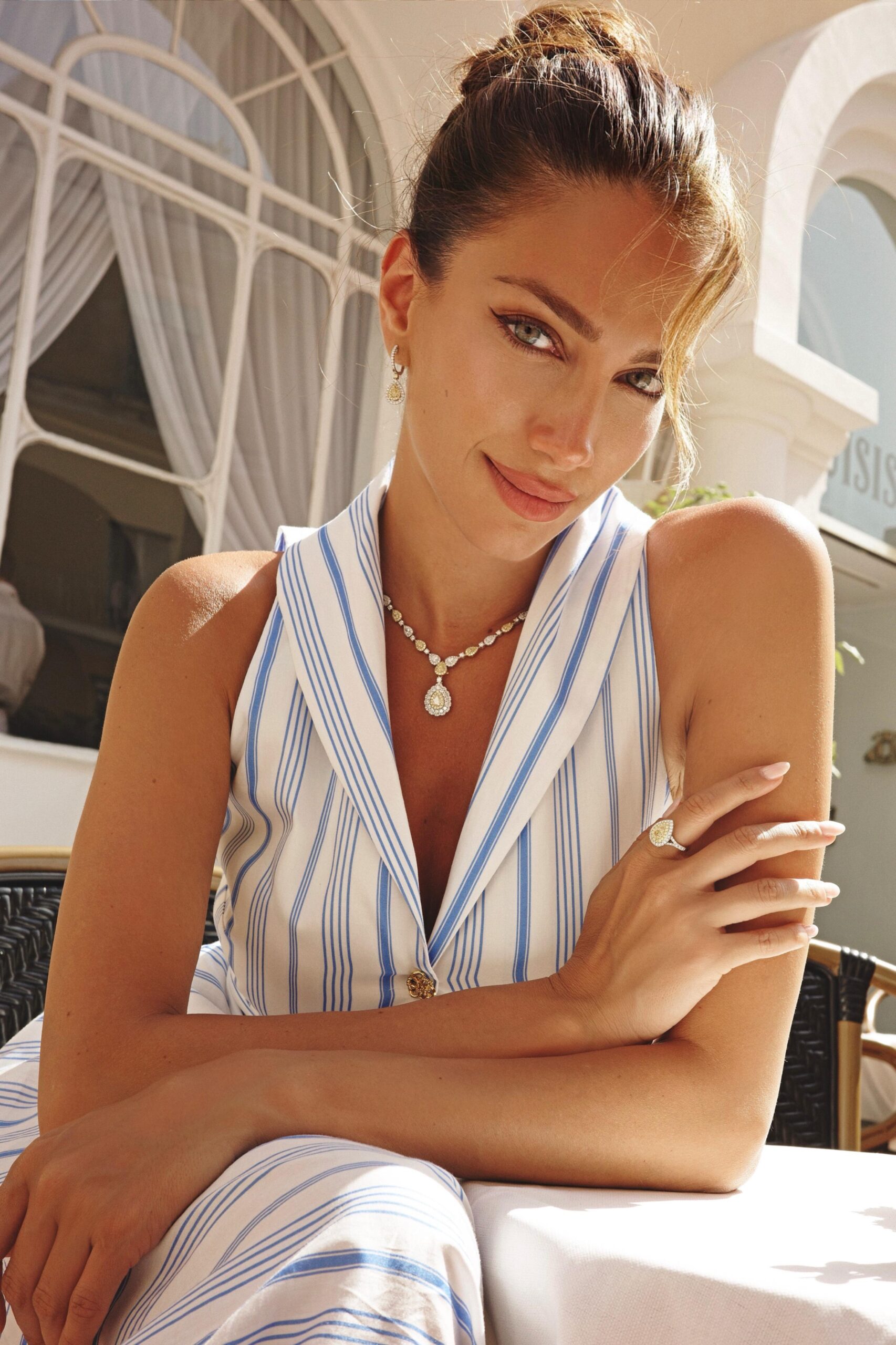
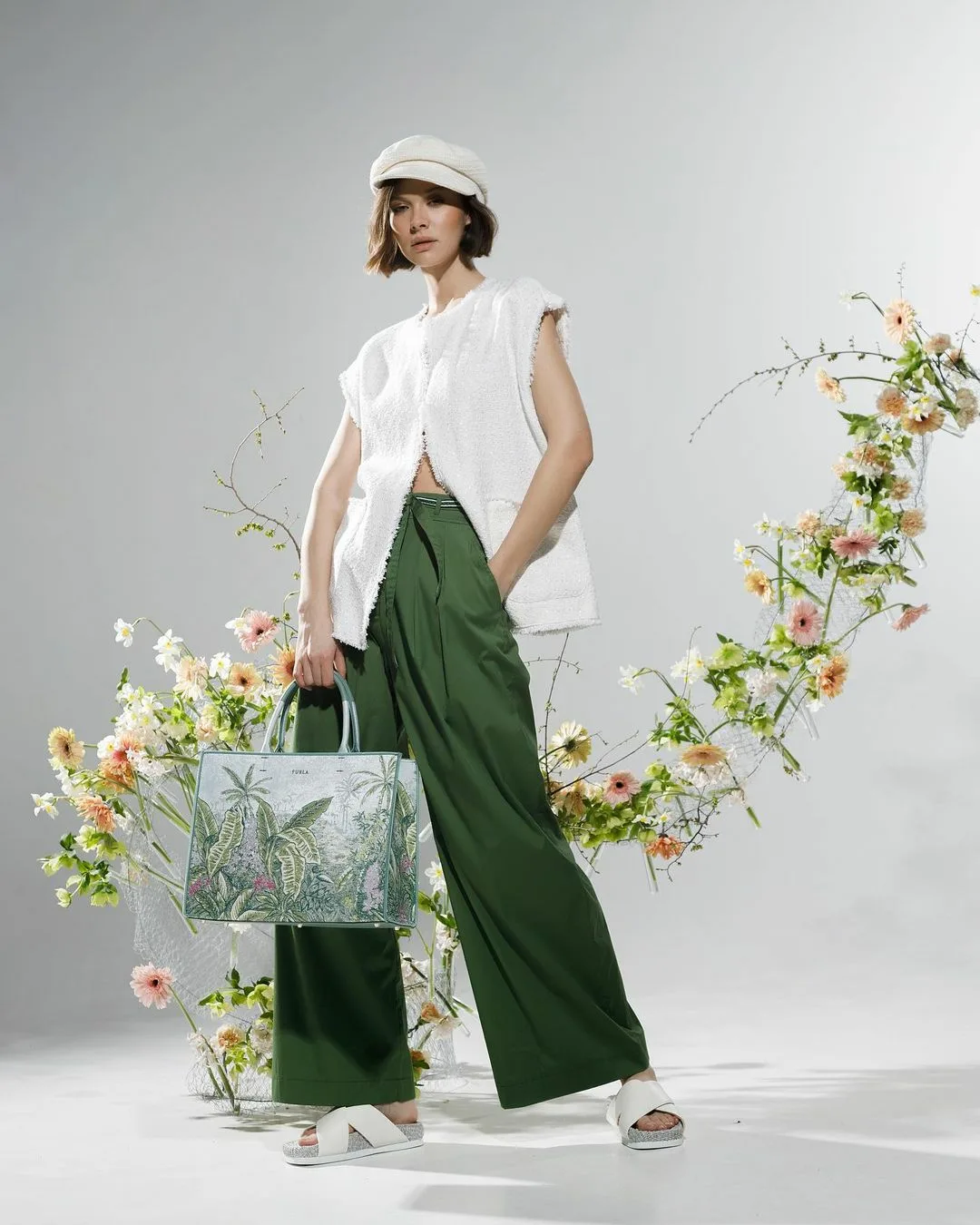
Sustainability has become a defining imperative for the fashion industry, long notorious for its environmental impact and wasteful practices. Yet as consumers grow more eco-conscious, the question arises: can sustainable fashion also be glamorous? Can luxury and style coexist with responsibility and ethics? The answer, increasingly, is a resounding yes. Eco-fashion is evolving beyond simple ethics into a vibrant, innovative, and glamorous movement that is reshaping how we think about beauty, luxury, and consumption.
The Environmental Challenge of Fashion
Fashion is one of the world’s most polluting industries, responsible for around 10% of global carbon emissions and generating massive textile waste. Fast fashion’s rapid production cycles and disposable mindset have exacerbated the problem, while chemical dyes and unsustainable materials further harm ecosystems.
The urgency to address these issues has sparked a revolution in sustainable practices—from sourcing to production, packaging, and end-of-life garment management.
Defining Eco-Fashion Glamour
Sustainable fashion, often called eco-fashion, encompasses practices that reduce environmental impact, promote social responsibility, and prioritize longevity. Glamour in this context means style and beauty that captivate not just visually but ethically, reflecting a deeper value system.
Eco-fashion glamour embodies:
- Innovative use of sustainable materials like organic cotton, recycled fibers, and plant-based textiles.
- Designs that celebrate craftsmanship and quality over quantity.
- Transparency in sourcing and production.
- Aesthetic excellence that rivals or surpasses conventional luxury.
- A commitment to circularity and minimizing waste.
This redefinition challenges stereotypes that “green” means dull or utilitarian.
Luxury Brands Leading the Eco-Glam Movement
Luxury fashion houses are increasingly integrating sustainability without compromising their signature glamour:
- Stella McCartney: A pioneer of eco-luxury, Stella McCartney uses organic, recycled, and innovative materials to create high-fashion pieces. The brand eschews leather and fur, proving cruelty-free fashion can be elegant.
- Gucci: Committed to carbon neutrality and circularity, Gucci’s collections feature sustainable fabrics and upcycled vintage designs with high style.
- Prada: Launched the Re-Nylon initiative to replace virgin nylon with regenerated fibers, combining innovation with luxury craftsmanship.
- Chanel: Invests in sustainable sourcing for tweed and organic cotton, emphasizing artisanal quality.
- Hermès: While tradition-focused, Hermès is exploring sustainable leather alternatives and ecological farming practices.
These brands are demonstrating that sustainability and glamour are not mutually exclusive but mutually reinforcing.
Innovations in Sustainable Fabrics
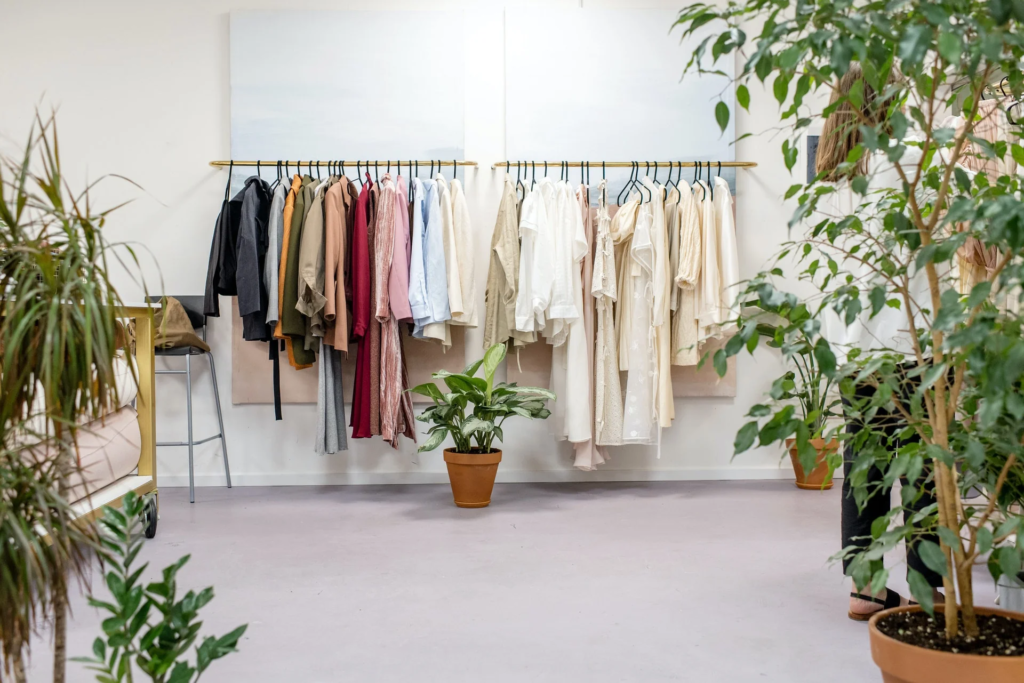
One of the most exciting aspects of eco-glam fashion is the rapid innovation in materials:
- Organic Cotton: Grown without harmful pesticides, organic cotton is softer and less resource-intensive.
- Recycled Polyester: Made from post-consumer plastic bottles, it reduces plastic waste and energy use.
- Tencel and Lyocell: Made from sustainably sourced wood pulp, these fabrics are biodegradable and breathable.
- Piñatex: A leather alternative derived from pineapple leaf fibers.
- Mushroom Leather (Mycelium): A biodegradable, cruelty-free substitute gaining traction.
- Reclaimed and Upcycled Textiles: Fashion made by repurposing vintage or deadstock fabric reduces waste.
These materials bring luxury textures and performance while aligning with eco-conscious values.
Circular Fashion: Designing for Longevity
Glamour in eco-fashion also means rethinking the lifecycle of clothing. Circular fashion focuses on:
- Durability and timelessness so garments are worn longer.
- Design for repair and recycling, enabling clothes to be renewed.
- Take-back programs where brands reclaim used items for repurposing.
- Rental and resale platforms promoting sharing economies.
Brands like Patagonia and Eileen Fisher lead with circular initiatives that align with glamorous, responsible style.
The Role of Craftsmanship and Artistry
Handcrafted details, artisanal embroidery, and bespoke tailoring elevate sustainable pieces from mere basics to covetable works of art. Slow fashion values the time and skill invested, resulting in garments with soul and uniqueness.
This emphasis on quality craftsmanship reinforces glamour by celebrating individuality and heritage.
Celebrity Influence and Consumer Demand
Celebrities like Emma Watson, Pharrell Williams, and Rihanna champion sustainable fashion, proving it’s compatible with red carpet glamour. Their visibility has helped normalize eco-fashion as desirable and aspirational.
At the same time, consumers—especially Gen Z and millennials—prioritize sustainability when shopping, driving brands to innovate and transparently communicate their efforts.
Challenges on the Path to Eco-Glamour
Despite progress, eco-fashion faces hurdles:
- Price Accessibility: Sustainable luxury often commands premium prices, limiting widespread adoption.
- Greenwashing: Some brands exaggerate claims, confusing consumers and undermining trust.
- Scaling Production: Sustainable materials and artisanal techniques can be difficult to scale while maintaining quality.
- Consumer Education: Changing habits requires ongoing awareness about the impact of choices.
The Future: A New Era of Glamour
The trajectory suggests eco-fashion will continue to blend ethics with elegance, aided by:
- Technology: AI-driven design to optimize materials and reduce waste.
- Biotechnology: Lab-grown fabrics and dyes with low environmental footprints.
- Collaborations: Partnerships between innovators, artisans, and luxury houses.
- Inclusive Messaging: Fashion that celebrates diversity and responsibility as core elements of glamour.
Sustainable style is poised to become the ultimate status symbol—a reflection of taste, values, and a commitment to a better planet.
Eco-fashion’s evolution proves glamour, and responsibility can coexist beautifully. By embracing innovation, craftsmanship, and mindful consumption, sustainable style is redefining what it means to be truly fashionable in the 21st century.

Passionate about journalism and media, I am committed to producing content that is not only informative and engaging but also drives social change. I advocate for women’s empowerment and gender equality, mentoring aspiring female journalists and media professionals. My approach is rooted in creativity, collaboration, and a relentless pursuit of excellence, ensuring that every project I undertake achieves its maximum potential.