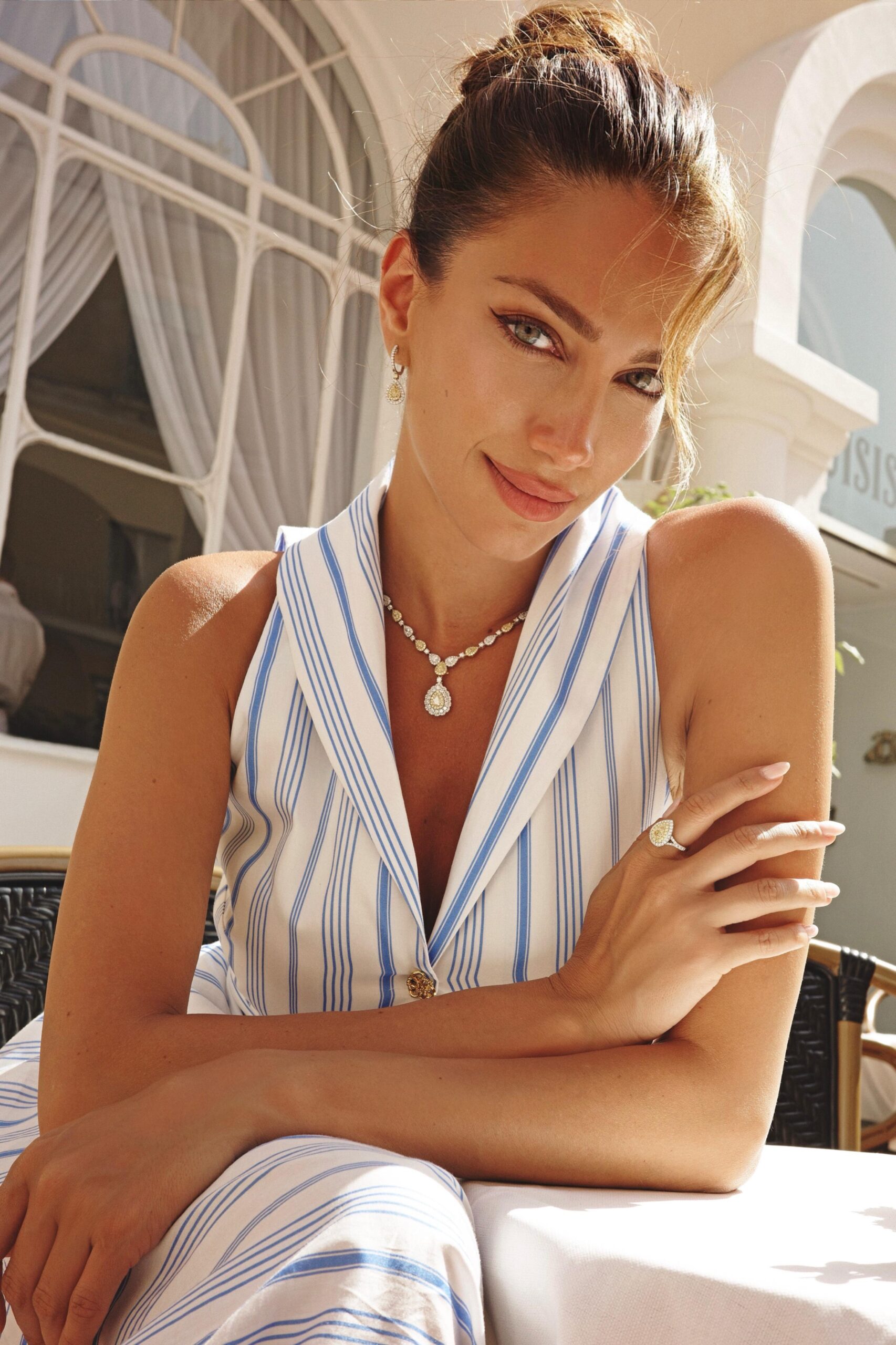
OpenAI has introduced a new image generation model, ChatGPT Images 2.0, marking a significant step forward in how artificial intelligence creates visual content.
The update brings noticeable improvements in detail, composition, and—most notably—the ability to generate multiple images from a single prompt, expanding the model’s usefulness beyond simple visuals into more structured outputs such as multi-page concepts and visual documents.
From Single Images to Structured Visual Outputs
Unlike earlier versions, ChatGPT Images 2.0 is designed to go beyond one-off image creation.
Users can now generate a series of connected visuals from a single instruction, enabling outputs that resemble:
- Study guides
- Storyboards
- Multi-page visual concepts
This shift positions the model not just as a creative tool, but as a productivity layer for design, education, and content development.
Improved Text Rendering
One of the most notable upgrades is the model’s improved ability to render text within images — historically a weak point in AI-generated visuals.
Early testing shows that the model can produce clearer, more accurate text layouts, making it more viable for use cases such as:
- Marketing creatives
- Social media assets
- Informational graphics
However, limitations remain.
While the model supports multiple languages, including Chinese and Hindi, performance is still strongest in English, with inconsistencies appearing in more complex non-English text rendering.
Global Rollout With Tiered Access
The new model is being rolled out globally across ChatGPT and Codex users, with enhanced capabilities available in higher-tier access plans.
This aligns with OpenAI’s broader strategy of integrating advanced multimodal capabilities—text, image, and code—into a unified user experience.
The Bigger Picture
The release of ChatGPT Images 2.0 reflects a broader shift in AI development: moving from novelty to utility.
Image generation is no longer just about creating visuals—it’s about enabling workflows.
As models improve in accuracy, structure, and language handling, they are increasingly positioned to support real-world applications across industries, from design and media to education and business operations.
Despite the progress, challenges remain—particularly around multilingual accuracy and consistency.
But with each iteration, the gap between AI-generated content and professional-grade output continues to narrow.
And as that gap closes, tools like ChatGPT Images 2.0 are likely to move from experimental features to essential infrastructure in the digital content ecosystem.
Passionate about journalism and media, I am committed to producing content that is not only informative and engaging but also drives social change. I advocate for women’s empowerment and gender equality, mentoring aspiring female journalists and media professionals. My approach is rooted in creativity, collaboration, and a relentless pursuit of excellence, ensuring that every project I undertake achieves its maximum potential.