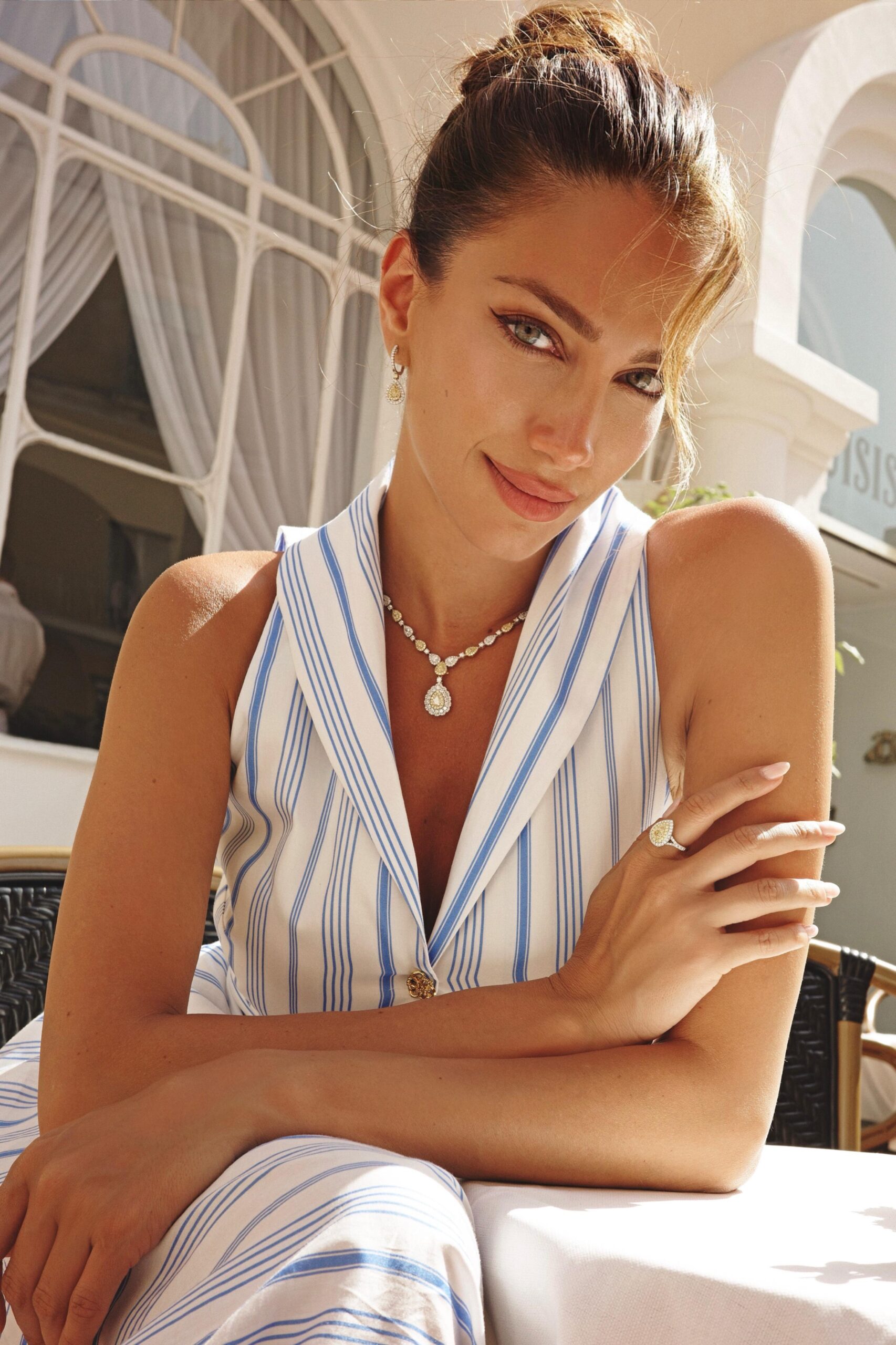

Luxury resonates differently with men and women, influenced by cultural norms, personal values, and social expectations. Understanding these varied perspectives enriches the appreciation of luxury’s multifaceted appeal and helps brands create more inclusive and meaningful experiences. While preferences may diverge, gender perspectives on luxury share fundamental desires for quality, authenticity, and self-expression.
Historical Context and Gendered Expectations
Traditionally, luxury marketing has often segmented audiences by gender, associating women with fashion, beauty, and accessories, and men with watches, cars, and technology.
Cultural expectations shaped these patterns: women were encouraged to focus on aesthetics and adornment, while men were encouraged to focus on status and functionality. These distinctions influenced how each gender perceived and valued luxury.
Gender Perspectives on Luxury
Women’s Perspective on Luxury
For many women, luxury represents:
- Self-expression and identity: Fashion and beauty allow creativity and individuality.
- Emotional connection: Luxury items often have sentimental value or signify milestones.
- Social signaling: Accessories and style communicate social status and taste.
- Experience and indulgence: Spa treatments, exclusive events, and personalized services enhance well-being.
- Community and storytelling: Sharing luxury experiences fosters relationships and cultural engagement.
Women often view luxury as a holistic lifestyle, blending appearance, emotion, and social meaning.
Men’s Perspective on Luxury
Men’s luxury consumption tends to emphasize:
- Functionality and performance: High-quality materials and engineering matter.
- Status and achievement: Luxury items symbolize success and power.
- Investment and legacy: Watches, cars, and collectibles hold long-term value.
- Simplicity and timelessness: Classic designs preferred over trends.
- Privacy and discretion: Understated luxury favored over conspicuous display.
Men may prioritize practicality and symbolism, appreciating luxury as a marker of accomplishment and refined taste.
Overlapping Desires and Values
Despite differences, men and women share common motivations, including:
- Appreciation for craftsmanship and quality
- Desire for authenticity and transparency
- Need for personalization and exclusivity
- Search for experiences that enrich life
- Interest in sustainability and ethical consumption
These shared values reflect a broader cultural shift toward conscious luxury.
The Rise of Gender-Neutral Luxury
Modern luxury brands increasingly embrace gender neutrality, creating collections and experiences that transcend binary categories.
This approach recognizes fluid identities and diverse expressions, appealing to consumers seeking authenticity beyond traditional gender norms.
Marketing Strategies Tailored to Perspectives
Effective luxury marketing acknowledges gender nuances while celebrating individuality.
- For women, storytelling that evokes emotion and cultural connection resonates.
- For men, emphasizing heritage, innovation, and investment potential appeals.
- Inclusive campaigns showcase diversity and break stereotypes.
Personalized communication fosters deeper brand engagement.
The Role of Digital Media and Social Influence
Social platforms shape how men and women engage with luxury. Influencers, peer reviews, and community interactions inform preferences and perceptions.
Both genders use digital tools to research, share, and experience luxury, albeit sometimes focusing on different content types.
Challenges and Opportunities for Brands
Understanding gender perspectives presents opportunities:
- Designing products that balance aesthetics and function
- Creating inclusive, personalized experiences
- Addressing evolving gender identities and expressions
- Fostering sustainability aligned with consumer values
Brands that navigate these complexities can build stronger, more authentic connections.
The Future of Gender and Luxury
As societal norms evolve, gendered distinctions in luxury consumption may blur further.
Luxury will increasingly celebrate diversity, individuality, and personal meaning—values that transcend gender and invite everyone to find their own expression of opulence.
Men and women approach luxury with distinct but overlapping perspectives shaped by culture, psychology, and personal experience. Appreciating these differences and commonalities enriches our understanding of luxury as a dynamic, inclusive phenomenon.
In embracing diversity, luxury becomes not just a symbol of wealth but a canvas for identity, passion, and connection for all.

Passionate about journalism and media, I am committed to producing content that is not only informative and engaging but also drives social change. I advocate for women’s empowerment and gender equality, mentoring aspiring female journalists and media professionals. My approach is rooted in creativity, collaboration, and a relentless pursuit of excellence, ensuring that every project I undertake achieves its maximum potential.