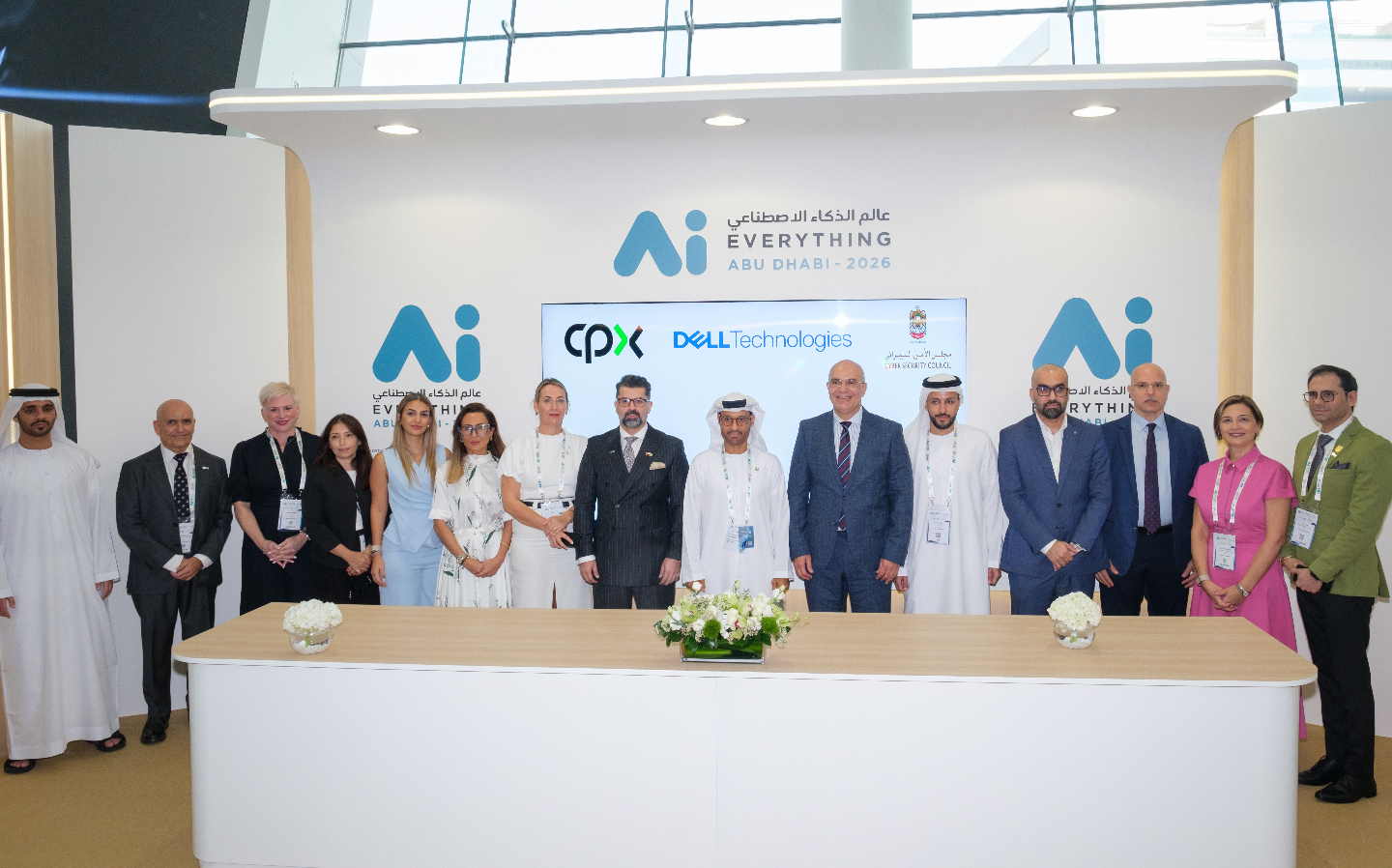
In the modern business landscape, digital transformation has become a critical driver of growth, efficiency, and competitive advantage. It involves integrating digital technologies into all areas of a business, fundamentally changing how organizations operate and deliver value to customers. Beyond mere technology adoption, digital transformation encompasses cultural shifts, process reengineering, and innovation that enable businesses to adapt and thrive in a fast-paced, digital-first world.
At its core, digital transformation begins with a clear strategic vision. Businesses must identify how technology can help achieve specific objectives—whether improving customer experience, streamlining operations, enhancing data-driven decision-making, or launching new products and services. This clarity ensures that digital initiatives are purposeful and aligned with overall business goals.
One of the most visible aspects of digital transformation is the shift to digital customer engagement. Customers today expect seamless, personalized interactions across multiple channels—websites, mobile apps, social media, and in-person experiences. Businesses that leverage digital tools to understand customer behavior, tailor offerings, and provide real-time support can foster deeper relationships and increase satisfaction.
Technology also revolutionizes internal operations. Automation of routine tasks frees employees to focus on higher-value activities, improving productivity and reducing errors. Cloud computing provides scalable infrastructure, enabling businesses to respond quickly to changing demands without heavy upfront investment. Advanced analytics and artificial intelligence unlock insights from vast data, informing strategy and enabling predictive capabilities.
Digital transformation requires breaking down traditional silos and fostering collaboration across departments. Integrated digital platforms enable smoother workflows, better communication, and more agile project management. This connectivity supports innovation by facilitating the rapid testing and iteration of ideas.

However, successful digital transformation is not without challenges. It demands cultural change that embraces experimentation, continuous learning, and resilience in the face of setbacks. Leaders play a crucial role in championing transformation by communicating vision, securing resources, and empowering teams to drive change.
Security and data privacy are paramount concerns in the digital era. Businesses must implement robust cybersecurity measures and comply with regulations to protect sensitive information and maintain customer trust.
Another critical factor is talent. Digital transformation requires skills in areas like data science, software development, and digital marketing. Investing in employee upskilling and attracting new talent ensures the organization can sustain digital initiatives.

Measuring the impact of digital transformation efforts is essential to justify investments and guide future efforts. Key performance indicators might include customer engagement metrics, operational cost savings, revenue growth from new channels, and employee productivity gains.
Moreover, digital transformation opens avenues for innovation beyond existing markets. It enables new business models such as subscription services, platform ecosystems, and personalized experiences that redefine industry boundaries.
In conclusion, digital transformation is a holistic journey that intertwines technology, people, and processes to create value and future-proof businesses. Organizations that approach it strategically, foster a culture of agility, invest in talent, and prioritize security are well-positioned to harness digital technologies for lasting success.

Passionate about journalism and media, I am committed to producing content that is not only informative and engaging but also drives social change. I advocate for women’s empowerment and gender equality, mentoring aspiring female journalists and media professionals. My approach is rooted in creativity, collaboration, and a relentless pursuit of excellence, ensuring that every project I undertake achieves its maximum potential.