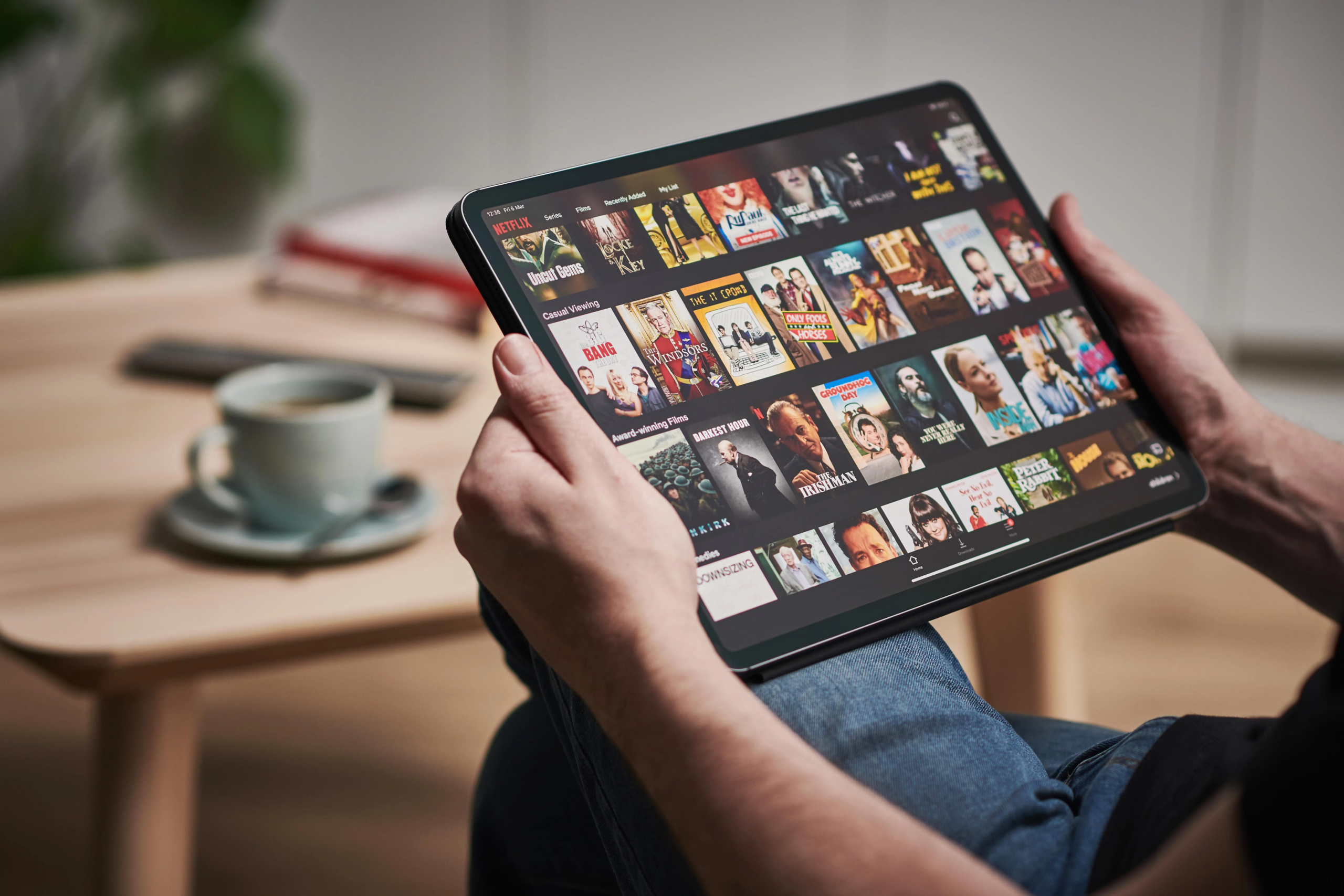
The streaming wars started with a bang: Netflix disrupted cable, Disney+ entered swinging, and suddenly every studio wanted its own platform. A few years later, we’re still in the thick of it. But now, the battle lines have shifted. It’s no longer just about who has the biggest library or the most subscribers. It’s about smarter strategies, leaner models, and figuring out how to actually make money.
The First Wave: Chaos and Content Overload
When streaming exploded, platforms were fighting to grab as many eyeballs as possible. Netflix dropped entire seasons at once. HBO Max and Peacock poured billions into original content. Disney+ banked on its Marvel and Star Wars properties to keep users glued. It worked — until it didn’t.
Subscriber fatigue set in. People got tired of managing five subscriptions and still not finding what they wanted. Password-sharing, inflation, and economic downturns made everyone think twice about their monthly streaming bill.
Phase Two: Retrenchment and Reality
2024 was a reset year. Netflix cracked down on password sharing. Disney merged Hulu into its main platform. Warner Bros. Discovery rebranded HBO Max to “Max” and began trimming underperforming content. The streaming gold rush had run out of easy wins.
The new approach? Make fewer, better shows. Cut costs. Focus on profitability instead of growth at all costs. This isn’t as sexy as throwing $20 million per episode at a new sci-fi epic, but it’s more sustainable.
Who’s Winning Now?
- Netflix still leads the pack in subscribers and remains the best at global reach. Its pivot to advertising tiers and international content is paying off.
- Disney+ is stabilizing thanks to bundling Hulu, ESPN+, and Disney+ into one ecosystem. Family content and nostalgia are its core strengths.
- Prime Video has one huge edge: it’s tied to Amazon Prime. People may not love it, but they keep it. Its Lord of the Rings experiment didn’t flop, but didn’t explode either.
- Max is in flux. The new brand is solid, but it’s still figuring out what it wants to be: prestige? reality TV? Both?
- Apple TV+ is the wildcard. Its small catalog is highly curated. It wins Emmys but doesn’t care about being the biggest. That might be smart.
The New Weapons: Bundles, Ads, and AI
The streaming battle is moving beyond content. Now it’s about:
- Bundling: Disney is bringing back the cable model in disguise. You get sports, entertainment, and family content under one login. Amazon bundles services too. Even Netflix might bundle games soon.
- Advertising: The ad-supported tier is back in fashion. It brings in revenue without scaring off price-sensitive users. Netflix and Disney+ have ad tiers. Max and Peacock launched with them.
- AI & Personalization: Platforms are using AI to recommend better, personalize homepages, and even test marketing materials. In the near future, AI might help trim production costs too.

What Viewers Actually Want
Despite all the tech and strategy, it comes down to this: are the shows and movies good? Are they easy to find? And can people afford to keep watching?
Viewers want:
- Consistency: One great show isn’t enough. Keep them coming.
- Clarity: Stop hiding shows under bad UI. Make it easy.
- Affordability: People are maxed out. If prices go up, value has to go up too.
The International Front
Streaming’s next big fight is global. Netflix has already gone hard in Korea, India, and Latin America. Disney and Amazon are following. Local language content is booming. It’s cheaper to make, travels well, and builds loyalty.
In some regions, mobile-first, low-data versions of these apps are gaining traction. Think $2/month tiers with ads and download limits.
The Dark Side: Cancellations, Strikes, and Franchise Fatigue
One major downside of the current era is the brutal cancellation rate. If a show doesn’t perform quickly, it’s gone. Even high-quality series get axed.
Add to that the writers’ and actors’ strikes of 2023, and the industry has been shaken. Studios want more control. Creators want fair compensation. It’s a power struggle with no easy answer.
Meanwhile, audiences are tiring of endless franchises. Not every Marvel show or Star Wars spinoff is a hit anymore. People crave originality again.

What Happens Next
We’re entering a smarter, leaner phase of the streaming wars. It’s less about domination and more about survival. Expect to see:
- More partnerships (like Paramount content on Netflix)
- Smarter bundling (watch for Verizon, T-Mobile, and cable companies to re-enter as aggregators)
- Genre targeting (apps built around horror, anime, or documentaries)
- Interactive and gamified content (Netflix is already testing it)
The future of streaming isn’t a monolith. It’s fragmented, flexible, and still evolving. For viewers, that means more choice — but also more confusion. The companies that win will be the ones that make it simple, affordable, and worth your time..
Because at the end of the day, people don’t care about business models. They just want something great to watch on a Friday night.

Passionate about journalism and media, I am committed to producing content that is not only informative and engaging but also drives social change. I advocate for women’s empowerment and gender equality, mentoring aspiring female journalists and media professionals. My approach is rooted in creativity, collaboration, and a relentless pursuit of excellence, ensuring that every project I undertake achieves its maximum potential.