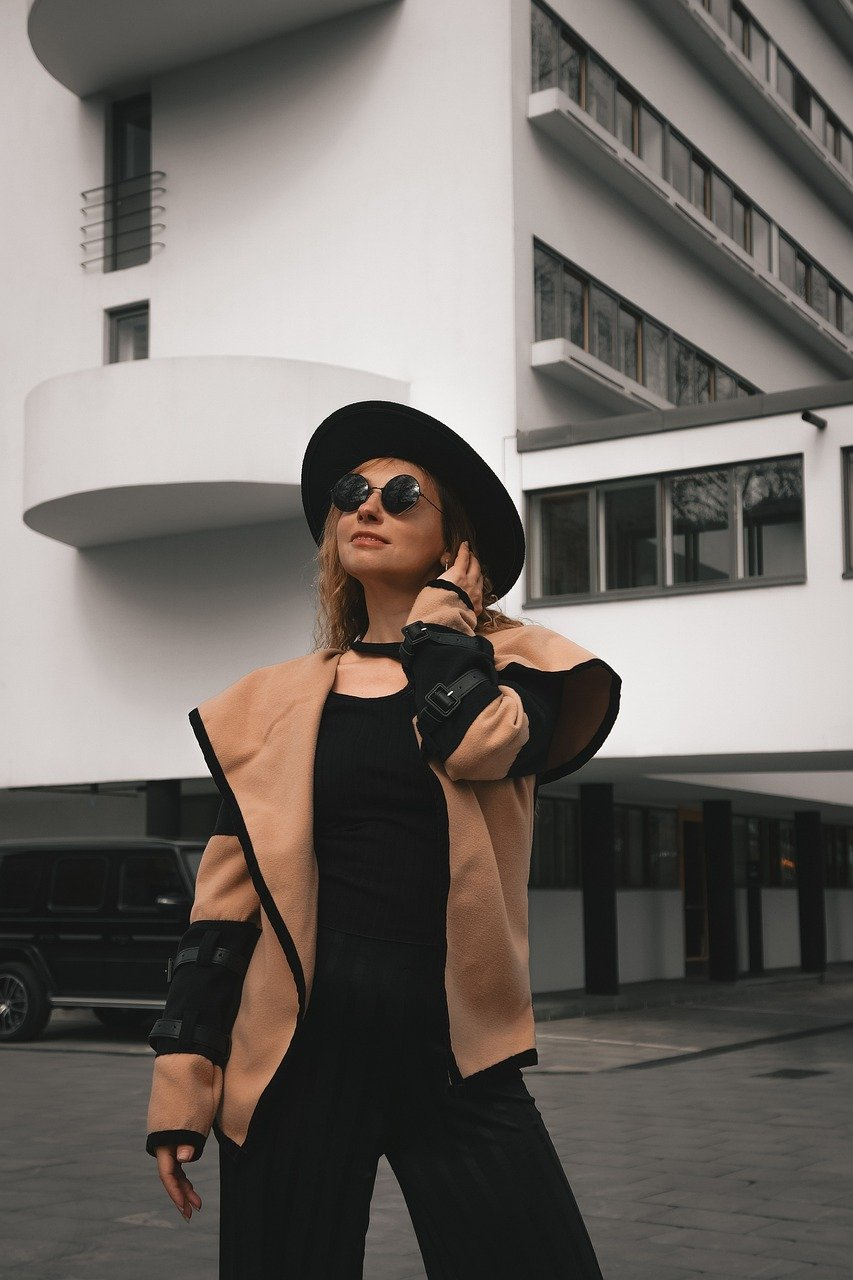
The fashion world is undergoing a profound cultural shift. As traditional gender norms evolve and the boundaries between “men’s” and “women’s” clothing blur, designers are increasingly embracing fluid fashion—a movement that challenges binary definitions and celebrates self-expression without restriction. This transformation reflects broader societal conversations about identity, inclusivity, and freedom, making fashion a powerful platform for redefining how we present ourselves to the world.
The Rise of Gender-Fluid Fashion
Historically, fashion has been heavily gendered, with distinct silhouettes, colors, and styles designated for men or women. But over the last decade, this rigid division has softened dramatically. Influenced by changing attitudes around gender identity and sexuality, consumers—especially younger generations—are rejecting limiting categories in favor of clothes that resonate with their authentic selves, regardless of gender.
Gender-fluid fashion, also called gender-neutral or unisex fashion, refers to clothing designed to be worn by anyone, without conforming to traditional gender norms. It often features versatile cuts, neutral palettes, and inclusive sizing that appeal across the spectrum.
Cultural and Social Drivers
Several factors have propelled the rise of fluid fashion:
1.Growing Awareness of Gender Diversity
Greater visibility of transgender, non-binary, and genderqueer identities has challenged society’s binary understanding of gender. Fashion responds as both a reflection and an enabler of these evolving identities.
2.Millennials and Gen Z Influence
Younger consumers prioritize inclusivity and authenticity. They view clothing as a form of self-expression rather than a signifier of gender. These generations actively seek brands that embrace diversity and break down stereotypes.
3.Celebrity and Pop Culture Advocacy
High-profile figures such as Harry Styles, Janelle Monáe, and Billy Porter have brought gender-fluid style to the mainstream. Their bold sartorial choices encourage fans to rethink traditional fashion rules.
4.Digital and Social Media
Platforms like Instagram and TikTok amplify alternative voices and communities championing fluid fashion. This democratizes style and encourages experimentation.

Designers Leading the Movement
Many designers and brands have pioneered collections that celebrate fluidity and blur gender boundaries:
- Gucci: Under Alessandro Michele’s creative direction, Gucci has embraced eclectic, androgynous designs featuring ruffles, skirts, and bold prints for all genders.
- Telfar: The New York-based brand, founded by Telfar Clemens, is famous for its “Not for You — For Everyone” motto, creating unisex collections focused on accessibility and inclusivity.
- Rad Hourani: A trailblazer of genderless fashion, Hourani designs minimalist pieces that transcend categories, emphasizing form and function.
- Eckhaus Latta: Known for its progressive approach, this label experiments with texture, fit, and gender fluidity to challenge conventions.
- H&M and Zara: Even fast fashion giants are releasing gender-neutral lines to meet demand for more inclusive options.
Design Principles of Gender-Fluid Fashion
Gender-fluid fashion embraces certain aesthetic and functional principles:
Versatility and Comfort
Clothes are designed to fit and flatter diverse body types without restrictive tailoring. Oversized fits, adjustable details, and flexible fabrics allow freedom of movement.
Neutral and Inclusive Colors
While bright hues and patterns remain popular, many fluid collections favor neutral or earth tones that can be easily mixed and matched.
Unisex Silhouettes
Blurring the lines between traditionally masculine and feminine shapes, designers merge elements like structured shoulders with soft draping, or combine trousers with skirts.
Accessibility in Sizing
Inclusive sizing acknowledges the wide variety of body shapes and encourages more brands to offer extended ranges beyond standard men’s and women’s charts.
The Consumer Experience: Breaking Barriers
Gender-fluid fashion is not just about what’s on the rack; it’s about transforming the entire shopping experience. Stores and online platforms are adapting:
- Unisex Sections: Retailers create sections where all clothing is presented together, free from gender labels.
- Inclusive Marketing: Campaigns feature models of varied gender identities, ethnicities, and body types.
- Pronoun Awareness: Some brands incorporate pronouns into labeling or marketing to respect customer identities.
- Customizable Options: Brands offer customizable garments that adapt to personal preferences and body shapes.
This shift reduces the anxiety some consumers face when shopping in traditionally gendered spaces and encourages more authentic choices.
Challenges and Criticisms
Despite progress, gender-fluid fashion faces challenges:
- Commercial Viability: Some critics argue that unisex collections can lack the polish or focus that gender-specific lines provide.
- Cultural Resistance: In some regions, conservative social norms limit acceptance of fluid fashion.
- Representation: True inclusivity requires continuous effort to represent all gender identities authentically, beyond token gestures.
- Sizing Issues: Balancing fit for a broad range of body types remains a complex design challenge.
The Future of Fluid Fashion
The trajectory points toward continued growth and innovation. As technology advances, new possibilities emerge:
- Custom Tailoring: AI and 3D scanning enable perfectly fitted unisex garments tailored to individual bodies.
- Virtual Fashion: Digital wardrobes will allow expression beyond physical constraints, offering infinite fluidity.
- Collaborative Design: Brands co-creating with gender-diverse communities foster deeper connection and authenticity.
Moreover, fluid fashion is likely to influence broader fashion norms, encouraging more brands to question rigid categories and embrace diversity in all forms.
Why Fluid Fashion Matters
Fashion is a powerful medium for personal and cultural expression. Gender-fluid fashion dismantles restrictive binaries, empowering people to define themselves on their own terms. It promotes inclusivity, fosters empathy, and celebrates diversity—not just in clothing, but in society at large.
By embracing fluidity, fashion can better serve the spectrum of human experience, enriching creativity and connection in the process.

Passionate about journalism and media, I am committed to producing content that is not only informative and engaging but also drives social change. I advocate for women’s empowerment and gender equality, mentoring aspiring female journalists and media professionals. My approach is rooted in creativity, collaboration, and a relentless pursuit of excellence, ensuring that every project I undertake achieves its maximum potential.