The luxury sector has traditionally been associated with indulgence, excess, and exclusivity. Yet in recent years, a powerful movement toward sustainability has reshaped this narrative. Today’s luxury consumers are not only seeking beauty and craftsmanship but also demanding environmental responsibility and ethical integrity. The challenge—and opportunity—for luxury is to balance opulence with sustainability, proving that grandeur and green values can coexist harmoniously.
The Imperative for Sustainability in Luxury
Luxury’s environmental footprint is significant. From resource-intensive materials like exotic leathers and precious metals to energy-heavy production and global shipping, traditional luxury practices have often overlooked sustainability.
Moreover, growing awareness of climate change, resource depletion, and social inequalities has prompted consumers and brands to reconsider how luxury should be defined in the 21st century.
Redefining Luxury Values
Sustainable luxury goes beyond superficial aesthetics or trends; it embodies deeper values:
- Respect for Nature: Using materials and processes that minimize harm to ecosystems.
- Transparency: Ethical sourcing, fair labor practices, and traceability.
- Longevity: Creating timeless products designed to last generations.
- Cultural Preservation: Honoring heritage crafts and indigenous knowledge.
- Innovation: Embracing new materials and technologies that reduce environmental impact.
These principles shift luxury from quantity and exclusivity to quality and conscience.
Sustainable Materials in Luxury
Materials play a central role in luxury’s sustainable transformation. Innovations include:
- Organic and Regenerative Fibers: Cotton, silk, wool, and linen grown without harmful chemicals and with practices that restore soil health.
- Recycled Textiles and Metals: Repurposing existing materials to reduce waste and resource extraction.
- Plant-Based Alternatives: Leather substitutes derived from mushrooms, pineapples, and other natural sources.
- Low-Impact Dyes: Natural and water-saving dyeing processes that reduce pollution.
- Eco-Friendly Packaging: Minimalist, biodegradable, and reusable packaging that aligns with brand values.
These materials maintain luxury’s sensory appeal while reducing ecological footprints.
Circularity: A Cornerstone of Sustainable Luxury
Circular fashion models challenge the traditional linear “take-make-waste” approach. In luxury, circularity includes:
- Design for Disassembly: Making products easier to repair, refurbish, or recycle.
- Take-Back Programs: Brands collecting used items for repurposing or resale.
- Resale and Vintage Markets: Encouraging secondhand luxury purchases to extend product life.
- Rental Services: Allowing consumers to enjoy luxury temporarily, reducing consumption.
Circularity not only benefits the environment but enhances the exclusivity and storytelling of luxury items.
Craftsmanship and Sustainability
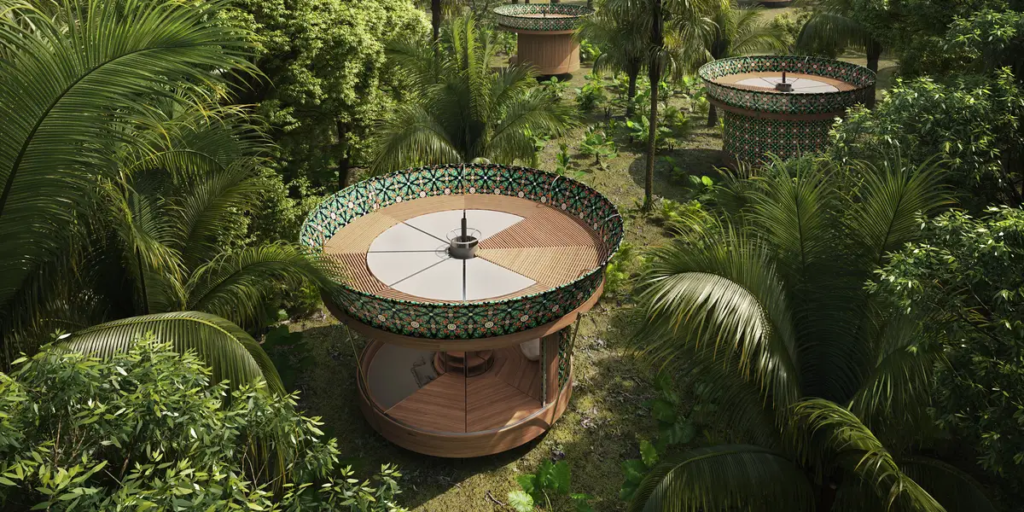
The artisanal nature of luxury craftsmanship inherently supports sustainability. Handcrafted goods use less energy-intensive machinery and prioritize quality over quantity, reducing waste and the need for replacement.
By valuing timeless designs and meticulous construction, craftsmanship discourages fast cycles and promotes responsible consumption.
Consumer Behavior and Demand
Modern luxury consumers—especially younger generations—are increasingly informed and conscientious. They research brands’ sustainability claims and prefer companies demonstrating genuine commitments.
This shift drives brands to integrate sustainability transparently, turning responsibility into a competitive advantage.
Challenges in Implementing Sustainable Luxury
- Cost and Accessibility: Sustainable materials and processes can be expensive, challenging the balance between luxury exclusivity and affordability.
- Greenwashing Risks: Some brands may exaggerate sustainability claims, risking consumer trust.
- Supply Chain Complexity: Ensuring ethical and sustainable practices across global suppliers is demanding.
- Maintaining Aesthetic Standards: Innovations must uphold the elegance and quality luxury consumers expect.
Addressing these challenges requires innovation, transparency, and collaboration across the industry.
The Role of Innovation
Sustainability drives innovation in luxury—from biotechnology creating lab-grown materials to digital tools optimizing supply chains.
Advances in materials science, such as biofabrication and zero-waste cutting techniques, are transforming product development while maintaining luxury’s allure.
The Intersection of Luxury and Well-Being
Sustainable luxury also encompasses social well-being—fair wages, safe working conditions, and community empowerment. Ethical labor practices contribute to the overall value proposition of luxury products.
Consumers increasingly expect brands to act responsibly not just environmentally but socially.
Looking Ahead: The Future of Sustainable Luxury
The future points toward holistic sustainability—integrating environmental stewardship, social justice, and cultural respect within luxury.
Brands that embed sustainability authentically in their DNA will set new standards of excellence and continue to captivate discerning consumers.
Luxury will evolve from a symbol of opulence alone to a beacon of conscious elegance.
Sustainable luxury proves that indulgence need not come at the planet’s expense. By harmonizing environmental responsibility with exceptional craftsmanship and innovation, luxury can inspire a new era of beauty—one that honors both people and the planet.

Passionate about journalism and media, I am committed to producing content that is not only informative and engaging but also drives social change. I advocate for women’s empowerment and gender equality, mentoring aspiring female journalists and media professionals. My approach is rooted in creativity, collaboration, and a relentless pursuit of excellence, ensuring that every project I undertake achieves its maximum potential.