Fashion has always been deeply tied to identity and self-expression, but in today’s increasing digital world, those expressions are no longer confined to physical garments. Enter digital fashion—a revolutionary new frontier where clothing exists purely in virtual spaces, transforming how we think about style, ownership, and community. At the heart of this movement is the metaverse, a collective virtual shared space where users interact through avatars and digital assets. As fashion crosses from runways to pixels, the rise of digital couture is reshaping the industry in profound and exciting ways.
What Is Digital Fashion?
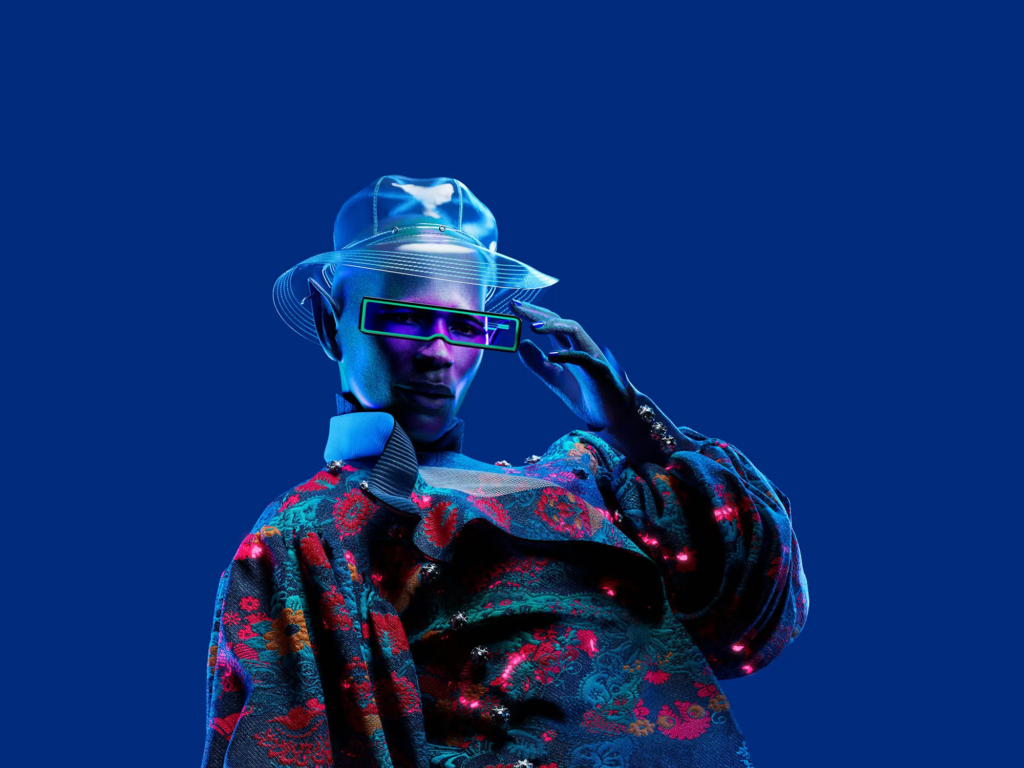
Digital fashion refers to clothing and accessories designed to be worn virtually, whether on social media, gaming platforms, or within metaverse environments like Decentral and, Roblox, or Meta’s Horizon Worlds. Unlike traditional fashion, digital garments do not physically exist but can be rendered in high-definition 3D, allowing users to “wear” them on their avatars or in photos and videos.
This concept includes:
- Virtual Wearables: Digital outfits, shoes, jewelry, and accessories for avatars.
- NFT Fashion: Non-fungible tokens that verify ownership of unique digital clothing items.
- Augmented Reality (AR) Try-Ons: Digital layers that users apply over real-world images.
- Fashion Gaming Collaborations: Exclusive brand partnerships within games.
Several factors have converged to propel digital fashion into the mainstream:
- The Metaverse Boom: As virtual worlds become more immersive and interconnected, consumers increasingly view their digital identities as extensions of their real selves. Just as physical fashion helps express personality and status offline, digital fashion enables this expression online.
- The Rise of NFTs: Blockchain technology facilitates digital ownership through NFTs, allowing brands and designers to sell unique, collectible digital garments. This has created new business models and collector markets, bringing exclusivity to virtual fashion.
- Environmental Concerns: Digital fashion offers a sustainable alternative by eliminating the resource-intensive production of physical garments. Virtual wardrobes generate no fabric waste or pollution, aligning with growing consumer demand for eco-conscious choices.
- Social Media and Content Creation: Platforms like Instagram, TikTok, and Snapchat have spurred demand for fresh, eye-catching digital content. Digital fashion lets creators showcase multiple outfits and styles without buying or physically storing clothes.
- Pandemic-Driven Digital Shift: COVID-19 accelerated digital adoption and remote socializing, making virtual self-presentation more important than ever.
Key Players and Collaborations
Major fashion houses, tech startups, and gaming platforms are racing to stake their claim in digital fashion:
- Gucci: One of the earliest luxury brands to embrace digital fashion, Gucci released NFT sneakers and collaborated on virtual sneakers for the game Roblox, fetching high resale prices.
- Balenciaga: Partnered with Fortnite to create virtual skins and outfits for players.
- Dolce & Gabbana: Launched a digital-only collection as NFTs, blending high fashion with blockchain.
- The Fabricant: A digital fashion house that designs purely virtual clothing, offering pieces that cannot be physically manufactured.
- RTFKT Studios: A digital sneaker and collectibles company acquired by Nike, specializing in virtual footwear.
Gaming worlds like Fortnite, Roblox, and Zepeto act as hubs where digital fashion thrives, offering users branded avatar customization options.
How Digital Fashion Works
Designers use 3D modeling software like CLO3D, Marvelous Designer, and Blender to create realistic virtual garments. These tools simulate fabric textures, draping, and movement. The finished designs can then be minted as NFTs on blockchain platforms, giving buyers proof of ownership and rarity.
Users purchase digital fashion through marketplaces or brand platforms and apply them to their avatars, share images on social media, or display them in virtual environments.
Augmented reality apps allow people to “try on” digital clothes in real life via smartphone cameras, blending virtual fashion with physical presence.
New Opportunities for Creators and Consumers
Digital fashion democratizes the industry by lowering barriers to entry. Emerging designers can showcase their collections online without the costs of physical production, runway shows, or inventory.
For consumers, digital wardrobes offer infinite variety without clutter or expense. Instead of owning dozens of physical pieces, users can curate extensive virtual closets, mixing and matching outfits for different online occasions.
Moreover, digital fashion fosters novel forms of social interaction and community building. Virtual fashion shows, avatar meet-ups, and exclusive NFT drops create shared experiences and a new kind of cultural capital.
Challenges and Considerations
Despite its promise, digital fashion faces hurdles:
- Technical Limitations: Realism and user experience depend on advancing graphics and platform compatibility.
- Digital Divide: Access to devices and high-speed internet affects who can participate.
- Environmental Impact of Blockchain: NFT transactions require energy, raising sustainability questions.
- Intellectual Property: Issues around design ownership, copying, and authenticity remain complex.
- Consumer Perception: Convincing mainstream consumers of the value of virtual-only clothes requires cultural shifts.
The Future of Fashion Is Hybrid
Digital fashion will not replace physical garments but will coexist, creating hybrid models that merge the physical and virtual. Some brands offer “phygital” items—pairs of physical and digital products sold together.
Virtual fashion shows, immersive shopping experiences, and AI-generated designs will become standard features of the industry.
As augmented reality glasses and the metaverse mature, the line between online and offline fashion will continue to blur, making digital style an integral part of everyday life.
Digital fashion represents more than just new clothes; it’s a radical rethinking of identity, creativity, and commerce in the 21st century. By dressing for the metaverse, we are stepping into a future where fashion is limited only by imagination and technology, opening exciting possibilities for expression and connection.

Passionate about journalism and media, I am committed to producing content that is not only informative and engaging but also drives social change. I advocate for women’s empowerment and gender equality, mentoring aspiring female journalists and media professionals. My approach is rooted in creativity, collaboration, and a relentless pursuit of excellence, ensuring that every project I undertake achieves its maximum potential.