
The financial services industry has never evolved faster than it is today. Artificial intelligence is redefining banking; digital payments have become the norm, and embedded finance is changing the way businesses interact with customers. Yet despite the pace of innovation, one challenge has remained remarkably consistent: moving money across borders efficiently, securely, and transparently.
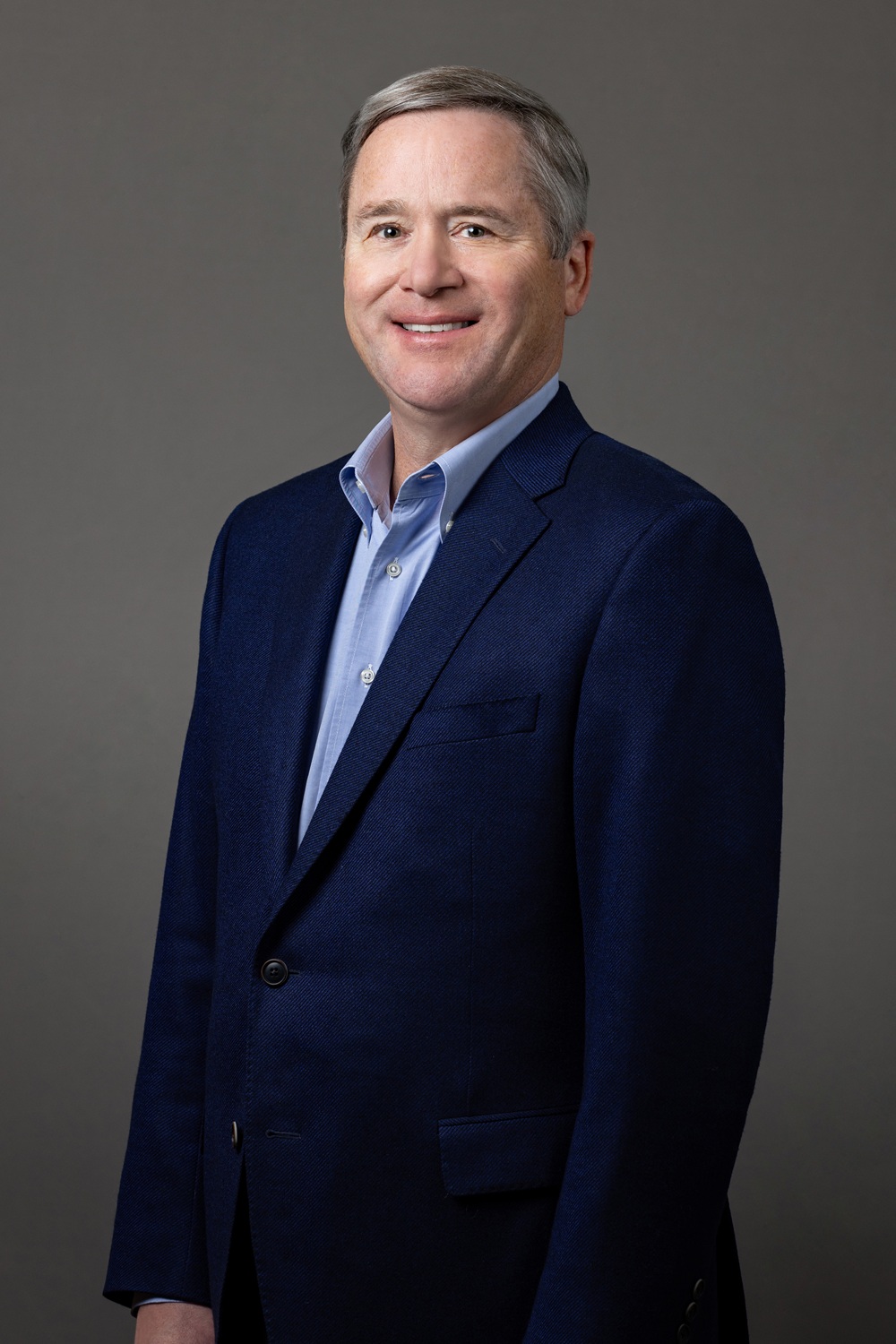
For Amir Fardghassemi, solving that challenge has never been about building another fintech application. It has been about rethinking the infrastructure that powers global commerce.
Long before cross-border payments became one of the most competitive segments in financial technology, Fardghassemi recognised that millions of people and businesses were still navigating fragmented systems, hidden costs, and unnecessary complexity. For expatriates supporting families overseas, international transfers often meant sacrificing a portion of their income to excessive fees and unfavourable exchange rates. For businesses expanding internationally, inefficient payment networks created friction in markets that increasingly demanded speed and reliability.
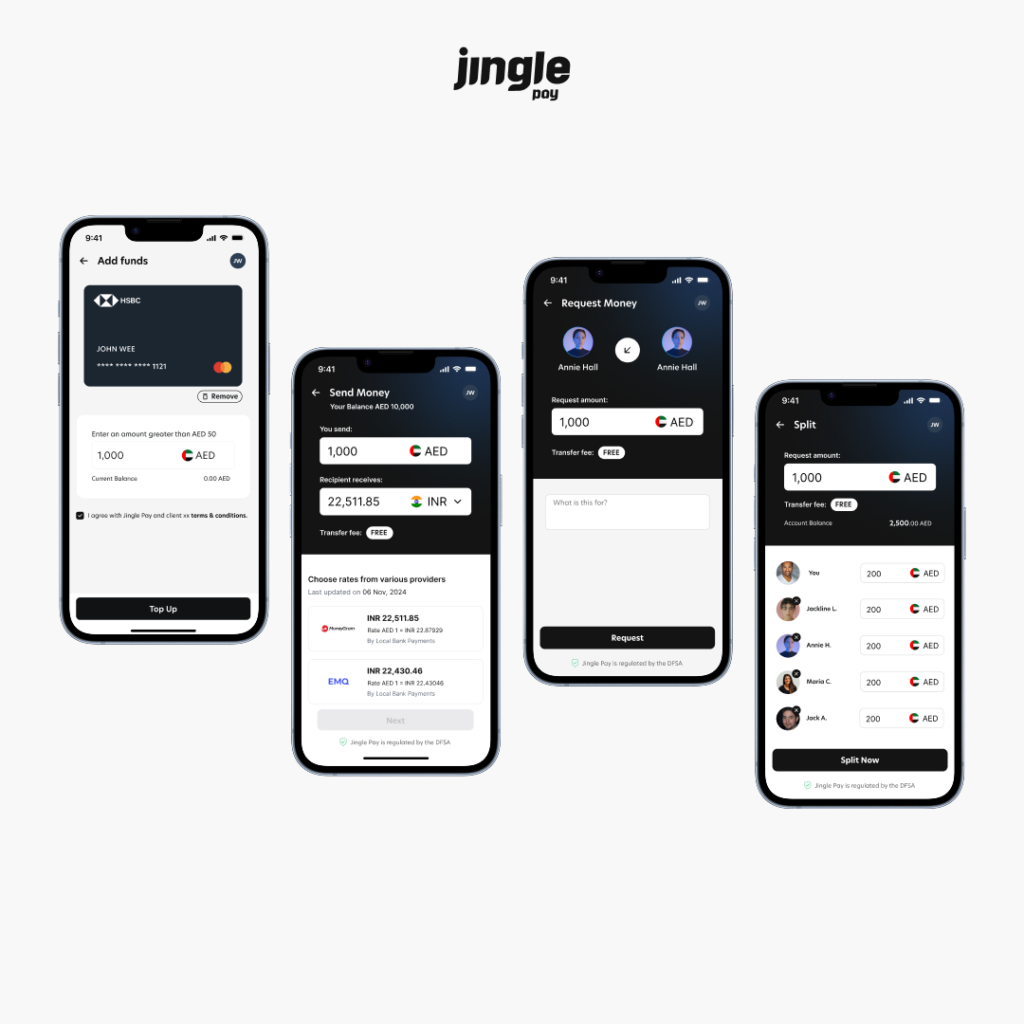
Founded on the belief that financial services should be transparent, accessible, and affordable, Jingle Pay was created to simplify global money movement while placing trust at the centre of every transaction. Under Fardghassemi’s leadership, the company has grown from an ambitious fintech startup into one of the Middle East’s leading financial technology businesses, serving consumers, businesses, and financial institutions across more than 150 countries and supporting transactions in 99+ currencies.
Today, Jingle Pay is on track to process more than US$5 billion in annualised payment volume across 19 million annualised transactions. While those figures illustrate the company's scale, they tell only part of the story. More significant is the measurable impact it has created for customers, helping remittance users save more than US$58 million through faster, more transparent, and cost-effective international payments across key corridors including Pakistan, India, the Philippines, and markets throughout APAC and MENAP.
For Fardghassemi, however, growth has never been an end in itself.
“The financial system only works when people trust it,” he says. “Technology can simplify the experience, but trust is what creates lasting value.”
That philosophy has shaped every stage of the company’s evolution. Rather than pursuing rapid expansion at the expense of resilience, Jingle Pay has focused on strengthening its regulatory foundations, investing in scalable technology, and building partnerships that extend its global reach. Today, its ecosystem is supported by strategic collaborations with Mastercard, Western Union, MoneyGram, Network International, and BOTIM, while its growth has been backed by organisations including Plug and Play, 500 Global, MoneyGram, and Bank Alfalah. Operating under licences from the Dubai Financial Services Authority (DFSA) and FINTRAC Canada, the company has positioned itself as a trusted infrastructure provider within an increasingly connected financial ecosystem.

Beyond technology, Fardghassemi believes the future of finance will be shaped by collaboration. As traditional financial institutions, fintech companies, and digital platforms become more interconnected, the competitive advantage will belong to organisations capable of building ecosystems rather than isolated products.
His perspective reflects a broader shift taking place across the global economy. Financial services are no longer defined solely by transactions; they are defined by the quality of the infrastructure that enables them. Payments have become invisible, expectations have become instantaneous, and trust has become more valuable than ever.

For Amir Fardghassemi, the next chapter of innovation will not be written by those who simply move money faster. It will be led by those who build the systems that allow people, businesses, and economies to move forward together.
As finance continues to evolve beyond borders, his vision remains remarkably consistent: create infrastructure that removes friction, expands opportunity, and makes global financial access simpler for everyone. In doing so, he is not merely building a fintech company—he is helping shape the foundations of a more connected global economy.

Passionate about journalism and media, I am committed to producing content that is not only informative and engaging but also drives social change. I advocate for women’s empowerment and gender equality, mentoring aspiring female journalists and media professionals. My approach is rooted in creativity, collaboration, and a relentless pursuit of excellence, ensuring that every project I undertake achieves its maximum potential.