In a world that often moves at a relentless pace, the Danish concept of hygge offers a welcome invitation to slow down, savor simple pleasures, and nurture meaningful connections. Pronounced “hoo-gah,” hygge embodies a lifestyle centered on comfort, coziness, and a sense of well-being. It is not merely about aesthetics or material things but a mindset and approach to life that promotes contentment and togetherness. This article explores the origins, principles, and practical ways to embrace hygge in everyday living.
Hygge originated in Denmark, a country known for its long, dark winters and emphasis on community. Historically, hygge was a way to create warmth and happiness despite challenging external conditions. Over time, it evolved into a cultural hallmark and an antidote to stress and isolation.
At its heart, hygge is about creating a sanctuary of comfort and safety. This begins with physical surroundings—soft lighting, natural materials, warm textures, and inviting spaces that encourage relaxation. Candles play a central role, casting a gentle glow that fosters calm and intimacy. The emphasis on natural elements connects people with the rhythms of nature and seasonal changes.
However, hygge transcends décor. It encompasses activities that promote presence and enjoyment. Sharing meals with loved ones, reading a good book by the fire, or enjoying a leisurely cup of tea exemplify hygge moments. These rituals cultivate mindfulness by encouraging participants to slow down and savor experiences fully.

Social connection is a vital pillar of hygge. Inviting friends or family for informal gatherings without distractions such as phones or screens fosters genuine interaction and emotional warmth. The focus is on quality rather than quantity, with deep conversations and shared laughter strengthening bonds.
Simplicity and intentionality characterize the hygge lifestyle. Avoiding overcommitment and embracing downtime allows for restoration and balance. Hygge encourages saying no to unnecessary stressors and yes to activities that replenish energy and joy.
The psychological benefits of hygge are significant. By prioritizing comfort and connection, hygge reduces stress, anxiety, and feelings of loneliness. It promotes positive emotions, gratitude, and resilience. The practice aligns closely with modern concepts of self-care and well-being.
Incorporating hygge into daily life is accessible to all. Simple steps include creating cozy corners with cushions and blankets, using soft lighting in the evenings, and dedicating time for slow, pleasurable activities. Cooking and sharing homemade meals fosters warmth and creativity.
Embracing seasonal changes enriches hygge experiences. In winter, bundling up for nature walks or enjoying warm drinks enhances connection to the environment. In warmer months, spending time outdoors with loved ones brings joy and vitality.
Mindful consumption also fits within hygge. Choosing quality over quantity, supporting local artisans, and engaging with sustainable products align with the ethos of thoughtful living and appreciation.
Technology can coexist with hygge when used intentionally. Setting boundaries around screen time during gatherings or relaxation periods preserves the spirit of presence and connection.
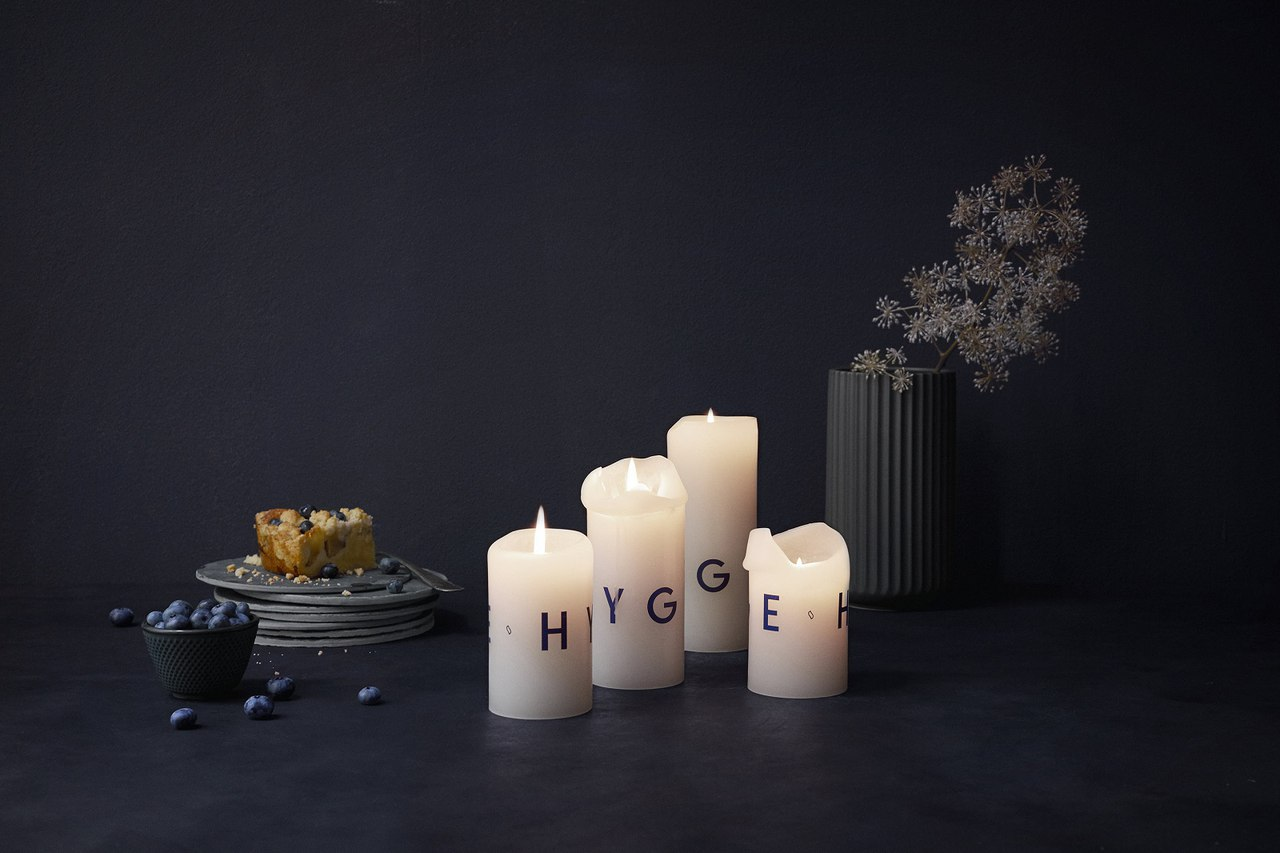
Ultimately, hygge is a versatile and inclusive lifestyle that anyone can adapt to personal preferences and cultural contexts. It invites individuals to slow down, cultivate warmth, and find joy in everyday moments.
In summary, the art of hygge offers a pathway to comfort, coziness, and connection amid modern life’s complexities. By embracing its principles—intentional simplicity, mindful presence, nurturing spaces, and deep relationships—individuals create fulfilling experiences that nourish body, mind, and soul. Hygge transforms ordinary moments into treasured memories and fosters a profound sense of belonging and contentment.

Passionate about journalism and media, I am committed to producing content that is not only informative and engaging but also drives social change. I advocate for women’s empowerment and gender equality, mentoring aspiring female journalists and media professionals. My approach is rooted in creativity, collaboration, and a relentless pursuit of excellence, ensuring that every project I undertake achieves its maximum potential.