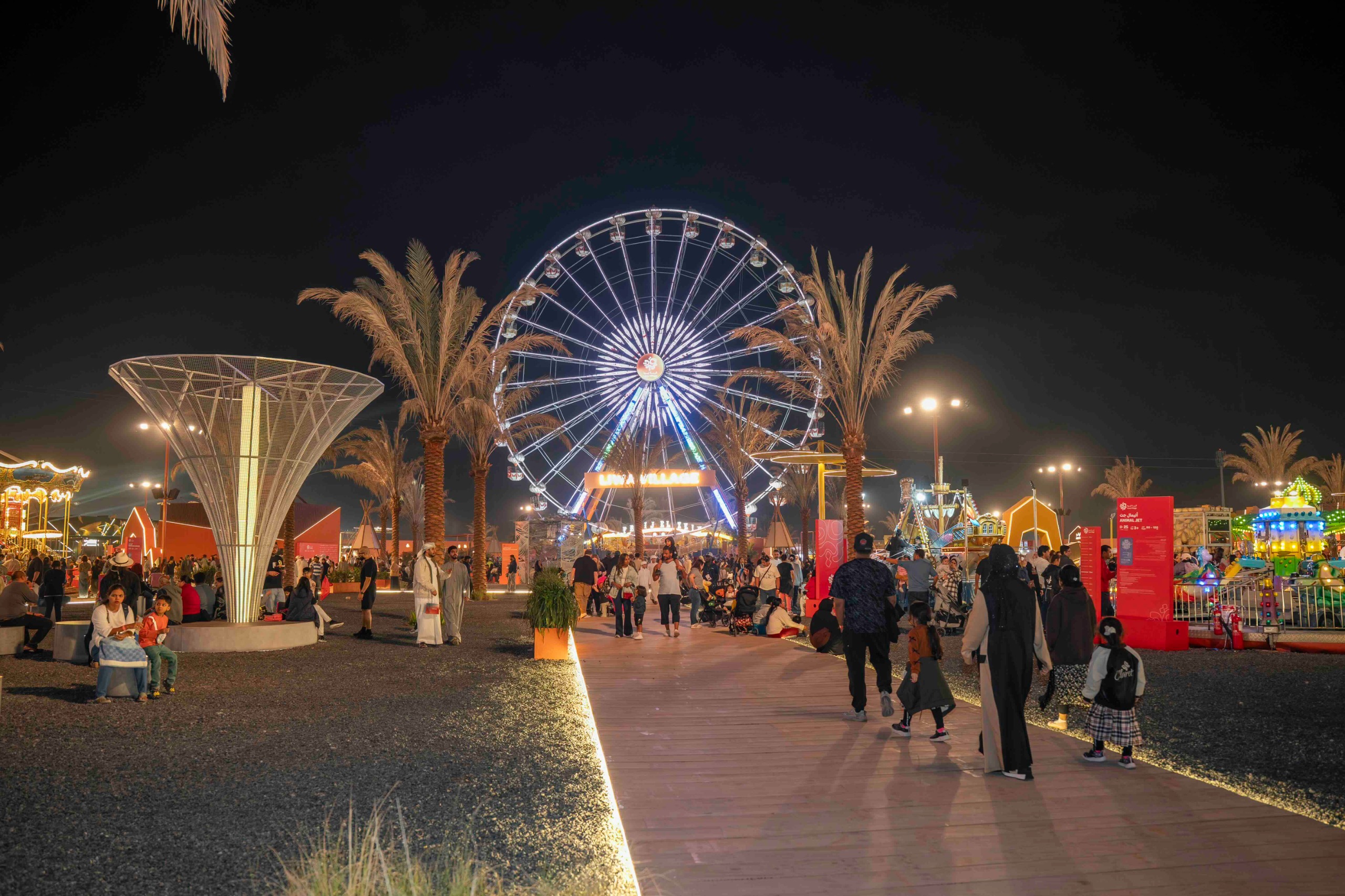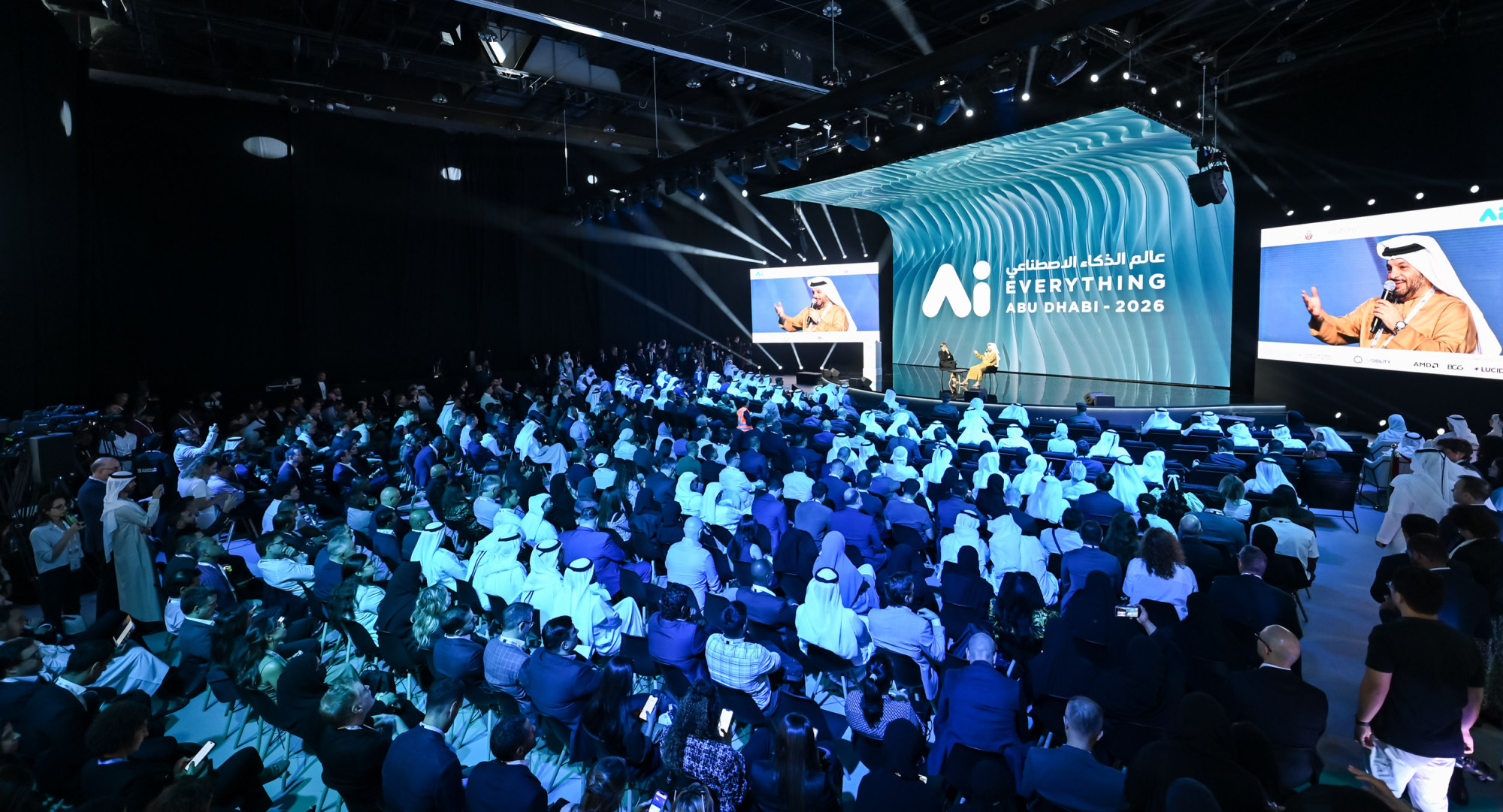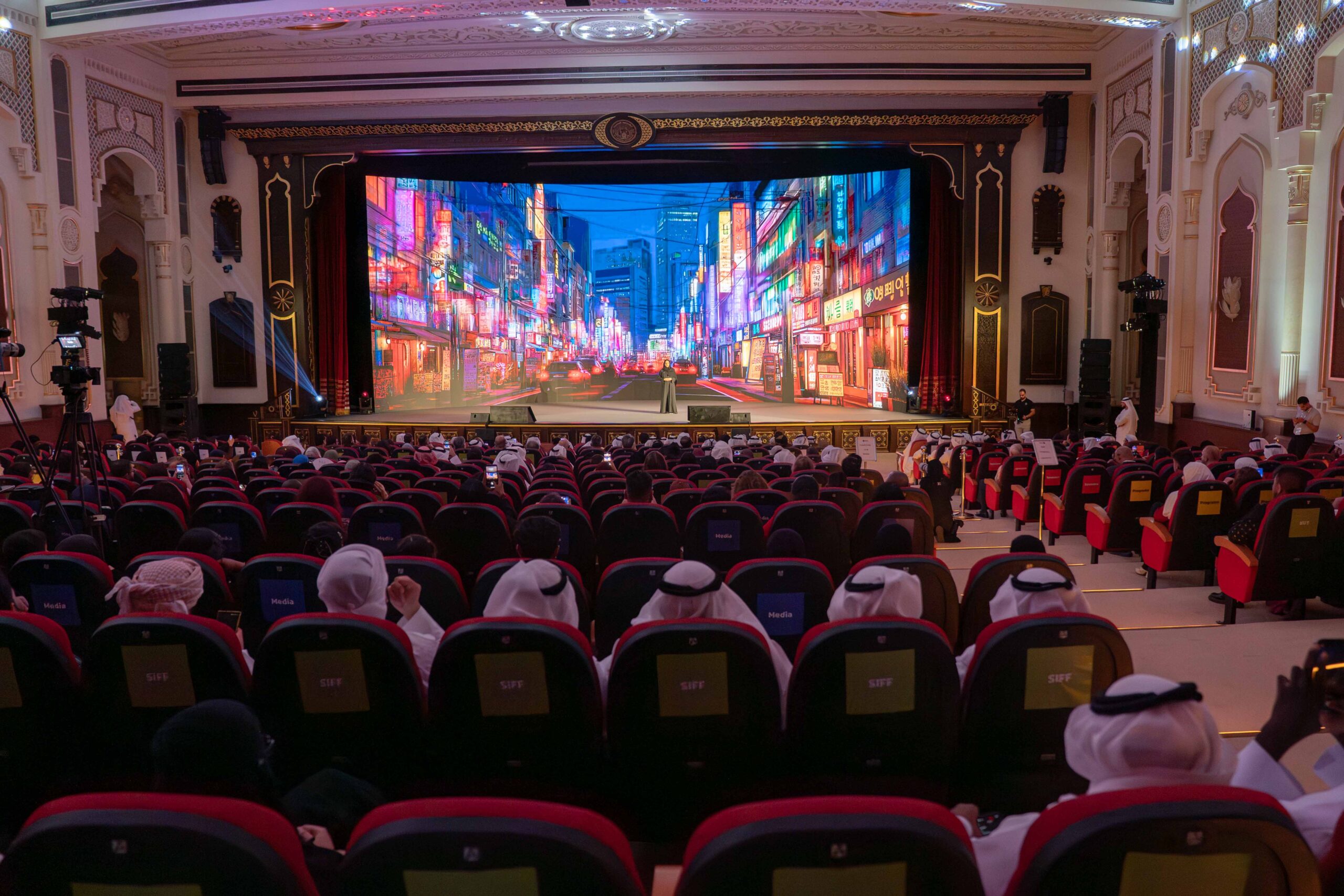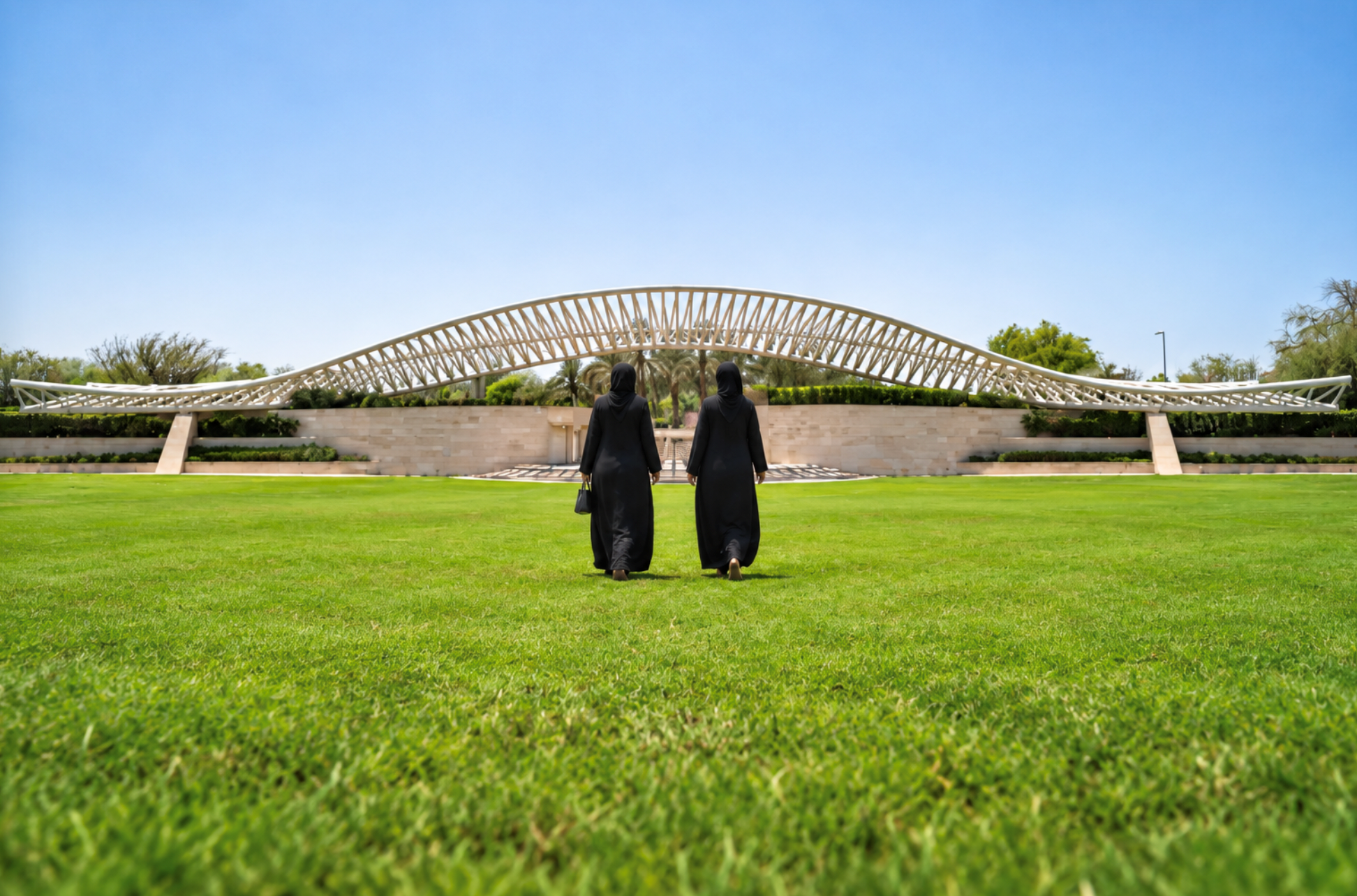
Travel is often seen as a leisure activity or a break from routine, but its true power lies in its capacity to transform individuals by exposing them to new cultures, perspectives, and ways of living. Experiencing the diversity of the world fosters personal growth, empathy, creativity, and a deeper understanding of oneself and others. This article explores how mindful travel enriches life beyond sightseeing, offering insights into the psychological, social, and emotional benefits of cultural immersion.
At its core, travel challenges comfort zones. Navigating unfamiliar environments, languages, customs, and social norms requires adaptability and openness. These challenges build resilience and problem-solving skills, as travelers learn to approach situations with curiosity rather than judgment. This mindset shift often carries over into daily life, enhancing flexibility and confidence.
Cultural exposure broadens worldview by revealing alternative values, traditions, and belief systems. Engaging with local communities through food, art, rituals, and conversations deepens appreciation for diversity and interconnectedness. Such experiences reduce stereotypes and prejudices by humanizing people from different backgrounds.
Learning new languages or dialects during travel stimulates cognitive functions and fosters connection. Even basic attempts to communicate demonstrate respect and open doors to authentic interactions. These connections enrich social networks and sometimes lead to lifelong friendships.

Travel also encourages self-reflection. Removed from familiar settings and social roles, individuals often gain fresh perspectives on personal priorities, relationships, and goals. Journaling, photography, or meditation during trips enhances this reflective process, turning travel into a journey of self-discovery.
Exposure to natural landscapes and cultural heritage sites inspires awe and creativity. Witnessing craftsmanship, architecture, and artistic expressions nurtures imagination and appreciation for human ingenuity. This stimulation can fuel innovation and new ideas upon returning home.
Mindful travel practices promote sustainability and ethical engagement. Respecting local customs, supporting community-based tourism, and minimizing environmental impact ensure positive contributions to destinations. This conscious approach deepens the traveler’s sense of responsibility and fulfillment.
The physical benefits of travel include increased activity levels, improved cardiovascular health, and enhanced sensory awareness. Walking tours, hiking, swimming, or dancing introduce variety and enjoyment into movement routines.
Psychologically, travel reduces stress by breaking repetitive patterns and providing new stimuli. It encourages presence and mindfulness as travelers attend to novel sights, sounds, tastes, and smells. This sensory richness rejuvenates the mind and enhances emotional well-being.
To maximize transformational benefits, preparation is key. Researching cultural norms, learning key phrases, and setting intentions align expectations with respectful engagement. Flexibility to embrace unplanned experiences fosters openness and serendipity.
Post-travel integration involves reflecting on lessons learned and applying newfound insights to daily life. Sharing stories with others spreads cultural understanding and inspires community curiosity. Maintaining relationships formed during travel sustains global connections.
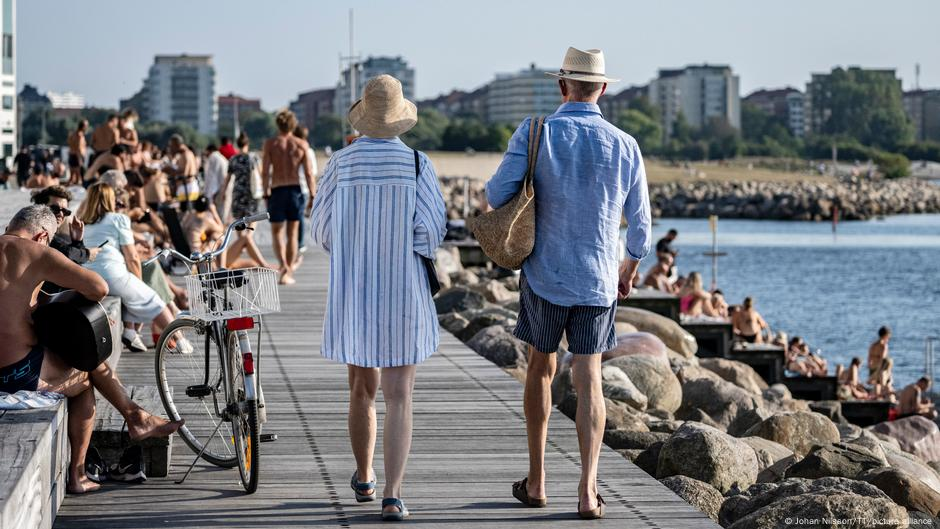
In conclusion, travel as transformation transcends mere recreation to become a powerful tool for personal and social enrichment. By immersing oneself in new cultures with curiosity, respect, and mindfulness, travel cultivates empathy, creativity, resilience, and self-awareness. These gifts enrich not only the traveler’s life but also the broader world by fostering connection and understanding.
Flexibility in design accommodates evolving needs. Modular furniture, multi-functional areas, and adaptable layouts allow the sanctuary to grow with lifestyle changes, ensuring lasting relevance.
Finally, involving others respectfully balances personal sanctuary with shared living spaces. Communicating boundaries and encouraging mutual respect preserves the integrity of these restorative environments.
In summary, designing a personal sanctuary is a holistic process that combines decluttering, lighting, color, texture, sound, scent, ergonomics, and personalization. Thoughtful attention to these elements creates spaces that nurture well-being, support mental clarity, and foster comfort. By investing time and intention into crafting sanctuaries, individuals enrich their daily lives and cultivate lasting health and happiness.

Passionate about journalism and media, I am committed to producing content that is not only informative and engaging but also drives social change. I advocate for women’s empowerment and gender equality, mentoring aspiring female journalists and media professionals. My approach is rooted in creativity, collaboration, and a relentless pursuit of excellence, ensuring that every project I undertake achieves its maximum potential.