In the midst of life’s constant demands and distractions, our living and working environments play a crucial role in shaping our mental and physical well-being. Creating a personal sanctuary—a space that nurtures relaxation, creativity, and balance—can profoundly enhance quality of life. Thoughtful design, organization, and sensory elements come together to transform ordinary spaces into havens that support wellness. This article explores key principles and practical tips to help individuals craft sanctuaries tailored to their needs.
A personal sanctuary is more than just a tidy room; it is an intentional environment that promotes calm, focus, and comfort. The first step toward designing such a space involves understanding one’s unique preferences, routines, and lifestyle. Whether it’s a dedicated corner for meditation, a cozy reading nook, or a serene bedroom, personalization ensures the space resonates emotionally and functionally.
Clutter reduction is foundational. Excessive possessions and disorganization contribute to stress and mental fatigue. Embracing minimalist principles—keeping only items that serve a purpose or bring joy—frees up physical and psychological space. Simple storage solutions, such as baskets, shelves, and drawers, maintain order and accessibility.
Lighting profoundly affects mood and productivity. Natural light is ideal, as it regulates circadian rhythms and elevates mood. Positioning work or relaxation areas near windows maximizes daylight exposure. When natural light is limited, warm, adjustable artificial lighting creates a cozy and inviting atmosphere. Avoiding harsh fluorescents reduces eye strain and tension.

Color palettes influence emotional responses. Soft, muted tones like pastels, earth tones, and neutrals evoke tranquility, while bold colors stimulate energy and creativity. Selecting colors that align with the intended purpose of the space enhances its effectiveness. Incorporating accent pieces allows flexibility without overwhelming.
Textures and materials engage the senses and contribute to comfort. Natural materials such as wood, cotton, linen, and stone introduce warmth and tactile richness. Plush cushions, soft throws, and area rugs invite relaxation and physical ease. Plants add visual interest, improve air quality, and connect inhabitants with nature, fostering biophilic benefits.
Sound management is often overlooked but critical. Unwanted noise disrupts focus and rest. Soft background music, nature sounds, or white noise machines can mask disturbances and create soothing auditory environments. Incorporating sound-absorbing materials like curtains, carpets, and upholstered furniture reduces echoes and sharp sounds.
Scents influence psychological states as well. Aromatherapy with essential oils like lavender, eucalyptus, or citrus supports relaxation and alertness. Using diffusers, candles, or fresh flowers introduces pleasant aromas that enhance the sensory experience.
Ergonomics ensures physical comfort and reduces strain. Chairs, desks, and beds should support proper posture and body alignment. Adjustable furniture accommodates different activities and preferences, contributing to sustained well-being.
Technology integration should be mindful. While devices provide convenience, minimizing screens and notifications within sanctuary spaces helps maintain calm and presence. Charging stations placed outside relaxation zones discourage digital intrusion.
Personal touches imbue the space with meaning. Artwork, photographs, souvenirs, or spiritual objects evoke positive memories and inspire. Rotating decor seasonally or based on mood refreshes the environment and maintains engagement.
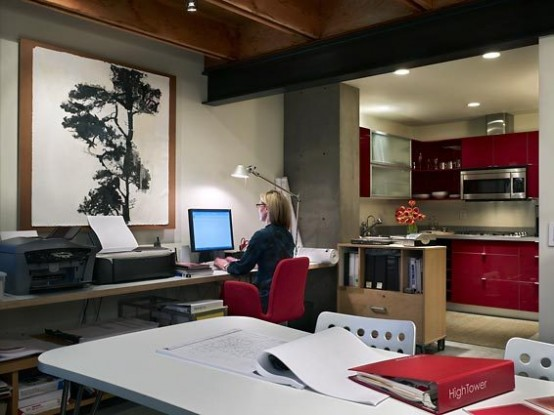
Creating routines around the sanctuary reinforces its purpose. Designating specific times for activities such as meditation, reading, journaling, or gentle stretching helps cultivate habits that promote balance and resilience.
Flexibility in design accommodates evolving needs. Modular furniture, multi-functional areas, and adaptable layouts allow the sanctuary to grow with lifestyle changes, ensuring lasting relevance.
Finally, involving others respectfully balances personal sanctuary with shared living spaces. Communicating boundaries and encouraging mutual respect preserves the integrity of these restorative environments.
In summary, designing a personal sanctuary is a holistic process that combines decluttering, lighting, color, texture, sound, scent, ergonomics, and personalization. Thoughtful attention to these elements creates spaces that nurture well-being, support mental clarity, and foster comfort. By investing time and intention into crafting sanctuaries, individuals enrich their daily lives and cultivate lasting health and happiness.

Passionate about journalism and media, I am committed to producing content that is not only informative and engaging but also drives social change. I advocate for women’s empowerment and gender equality, mentoring aspiring female journalists and media professionals. My approach is rooted in creativity, collaboration, and a relentless pursuit of excellence, ensuring that every project I undertake achieves its maximum potential.