The Middle East has long been a region of rich cultural heritage and artisanal craftsmanship, but in recent years, it has emerged as a vibrant hub of contemporary fashion innovation. From visionary designers pushing creative boundaries to influencers shaping global conversations around style and identity, the Middle East is rewriting the fashion narrative on the world stage. This dynamic ecosystem fuses tradition with modernity, carving out a unique space in the global fashion landscape.
A Region of Deep Cultural and Textile Traditions
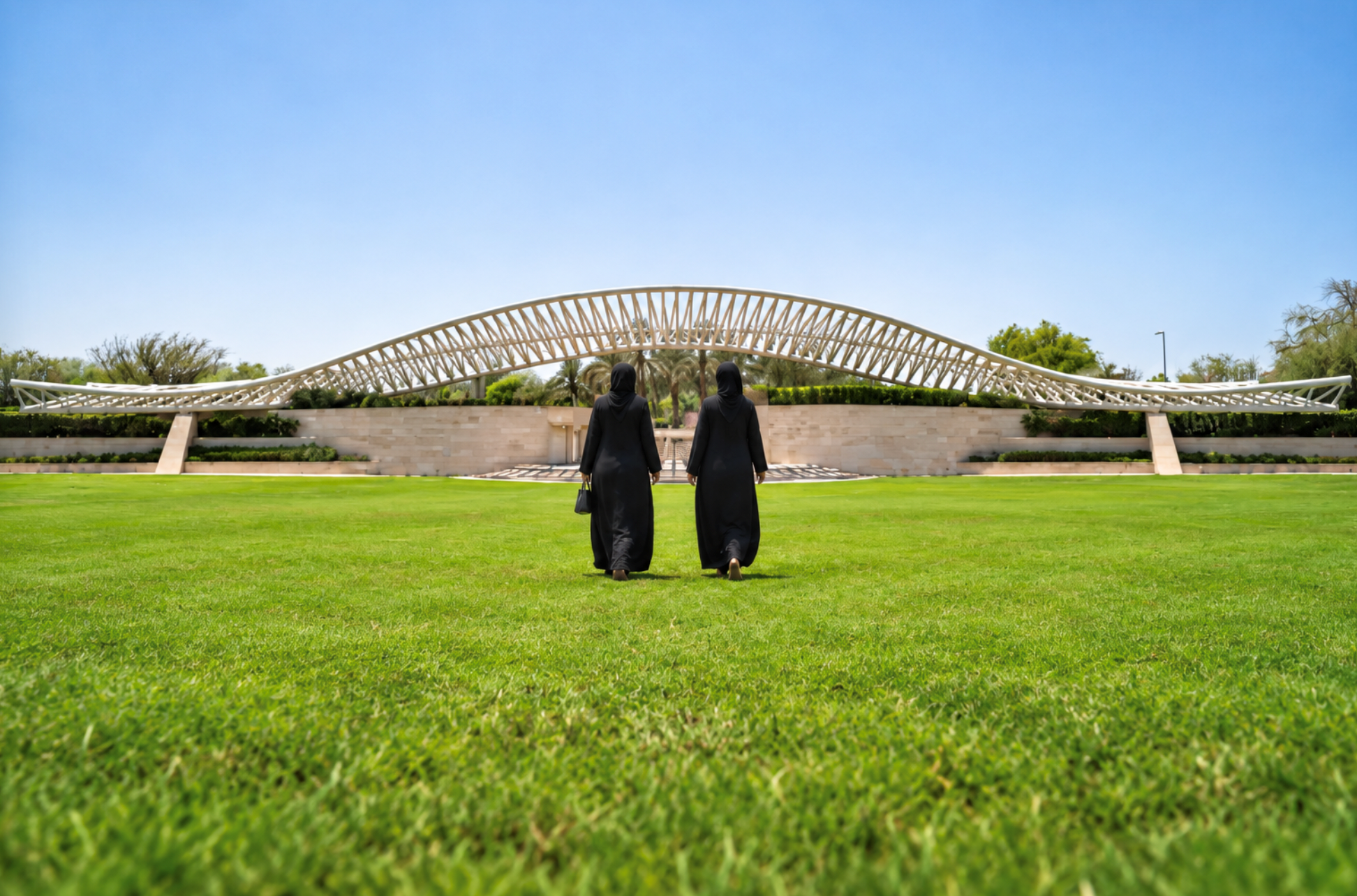
The Middle East’s fashion roots run deep. Intricate embroidery, luxurious fabrics such as silk and cashmere, and age-old tailoring techniques have formed the foundation of its sartorial identity. Traditional garments like the abaya, kaftan, and thawb have evolved over centuries, serving as symbols of heritage and craftsmanship.
Today’s Middle Eastern fashion scene draws on these foundations while embracing innovation, diversity, and global connectivity.
Designers Leading the Charge
Elie Saab (Lebanon)
Elie Saab (Lebanon)
Arguably the region’s most internationally acclaimed designer, Elie Saab’s exquisite couture has graced red carpets worldwide. Known for intricate beadwork, flowing silhouettes, and ethereal elegance, Saab blends Middle Eastern opulence with global glamour, making him a stalwart of luxury fashion.
Rami Al Ali (Syria)
Rami Al Ali’s designs marry traditional craftsmanship with contemporary shapes, emphasizing embroidery and dramatic detailing. His work has been showcased in Paris Haute Couture Week, affirming the region’s growing presence in high fashion.
Zuhair Murad (Lebanon)
Zuhair Murad’s glamorous, intricately embellished gowns are favorites among celebrities and royalty. His fusion of Eastern and Western aesthetics showcases the Middle East’s capacity for sophisticated and wearable luxury.
Huda Kattan (Iraq/USA)
While primarily a beauty influencer and entrepreneur, Huda Kattan’s style and brand have influenced fashion trends, merging Middle Eastern aesthetics with global appeal. She exemplifies how influencers from the region wield cultural power beyond clothing.
Noor Al Khalifa (Bahrain)
A rising star, Noor blends Gulf traditions with contemporary minimalism, focusing on sustainable practices and celebrating female empowerment through fashion.
The Influence of Middle Eastern Influencers
Social media influencers are vital ambassadors of Middle Eastern fashion, shaping perceptions and expanding its reach:
- Noha Nabil (Kuwait): Known for her chic street style and luxury endorsements, she bridges East and West aesthetics.
- Dina Tokio (UK/Egypt): A Muslim fashion icon who promotes modest fashion with a modern twist, empowering women to express identity with confidence.
- Karen Wazen (UAE): A lifestyle and fashion influencer blending international trends with Middle Eastern glamour.
These figures amplify local designers, drive fashion conversations, and inspire global audiences to embrace diverse styles.

The Rise of Modest Fashion
Modest fashion—a sector focused on stylish clothing that respects cultural or religious modesty—has exploded into a global phenomenon, with many Middle Eastern designers and brands at its forefront. This movement has disrupted mainstream fashion by creating inclusive narratives and innovative designs.
Brands like Anniesa Hasibuan (Indonesia/Middle East) and Bouguessa (Algeria) exemplify how modest fashion can be both contemporary and elegant.
Fashion Weeks and Platforms Spotlighting the Region
Events such as Arab Fashion Week and Dubai Fashion Week provide vital platforms for emerging and established designers to showcase collections to international buyers, media, and influencers. These weeks celebrate regional creativity and facilitate global collaboration.
Retail hubs like The Dubai Mall and Mall of the Emirates have become epicenters for luxury and contemporary brands, fostering a fashion-savvy consumer base.
Challenges and Opportunities
Middle Eastern designers and influencers face challenges including:
- Navigating traditional social norms while pushing creative boundaries.
- Building global distribution networks to reach wider markets.
- Overcoming stereotypes and increasing representation in Western-dominated fashion media.
However, the region’s youthful population, increasing digital connectivity, and growing investment in creative industries present immense opportunities for expansion and influence.
The Future of Middle Eastern Fashion on the Global Stage
With a unique blend of heritage, innovation, and entrepreneurial spirit, Middle Eastern fashion icons are poised to further elevate the region’s standing internationally. Collaboration between designers, influencers, and brands across borders will deepen cultural exchange and spur new trends.
The Middle East is not just a consumer of fashion but a vibrant creator and shaper of style narratives—one that honors tradition while boldly embracing the future.
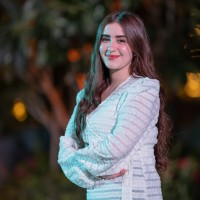
Passionate about journalism and media, I am committed to producing content that is not only informative and engaging but also drives social change. I advocate for women’s empowerment and gender equality, mentoring aspiring female journalists and media professionals. My approach is rooted in creativity, collaboration, and a relentless pursuit of excellence, ensuring that every project I undertake achieves its maximum potential.