The workplace is evolving at an unprecedented pace. The global pandemic accelerated shifts that were already underway, bringing hybrid work models into the mainstream and reshaping daily routines. In parallel, professional fashion has undergone a transformation—power dressing, once synonymous with rigid suits and sharp tailoring, has entered a new phase: Power Dressing 2.0. This reinvention blends comfort, creativity, and confidence, reflecting the complex realities of today’s hybrid work environment.
The Origins of Power Dressing
Power dressing emerged in the 1980s as a visual strategy for women to assert authority in male-dominated workplaces. Characterized by structured shoulders, bold colors, and tailored suits, it projected competence and command. However, the style was often criticized for its rigidity and conformity.
Fast forward to today, and workwear needs have shifted dramatically. The rise of remote and hybrid work demands clothing that balances professionalism with comfort and adaptability.
The Hybrid Work Model’s Impact on Style
Hybrid work—splitting time between home and office—requires versatile wardrobes. Employees seek outfits that transition seamlessly from virtual meetings to in-person collaboration. This blend challenges traditional office dress codes and encourages more personal expression.
Key implications for workwear include:
- Comfort is essential: Soft fabrics, flexible cuts, and breathable materials matter more.
- Mixing formal and casual: Blending smart pieces with casual elements creates balanced looks.
- Layering: Adjustable layering allows for comfort across varied environments.
- Individuality: Employees want to express identity and creativity while maintaining professionalism.
What Is Power Dressing 2.0?
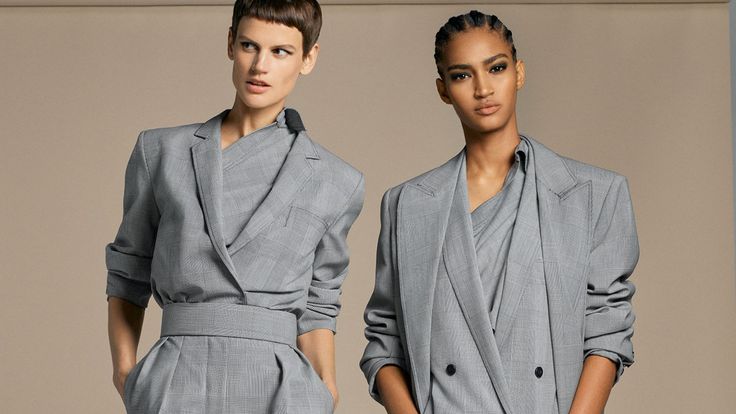
Power Dressing 2.0 is a modern interpretation of authority and confidence in the workplace—one that embraces fluidity, inclusivity, and authenticity. It’s less about uniformity and more about empowered choices that make the wearer feel capable and comfortable.
This evolution is characterized by:
- Relaxed tailoring: Soft blazers, unstructured jackets, and looser trousers replace stiff suits.
- Elevated basics: High-quality turtlenecks, silk blouses, and knitwear serve as work staples.
- Bold but subtle: Colors and prints are thoughtfully used to convey personality without overwhelming.
- Sustainable fabrics: Eco-conscious materials increasingly feature in professional wardrobes.
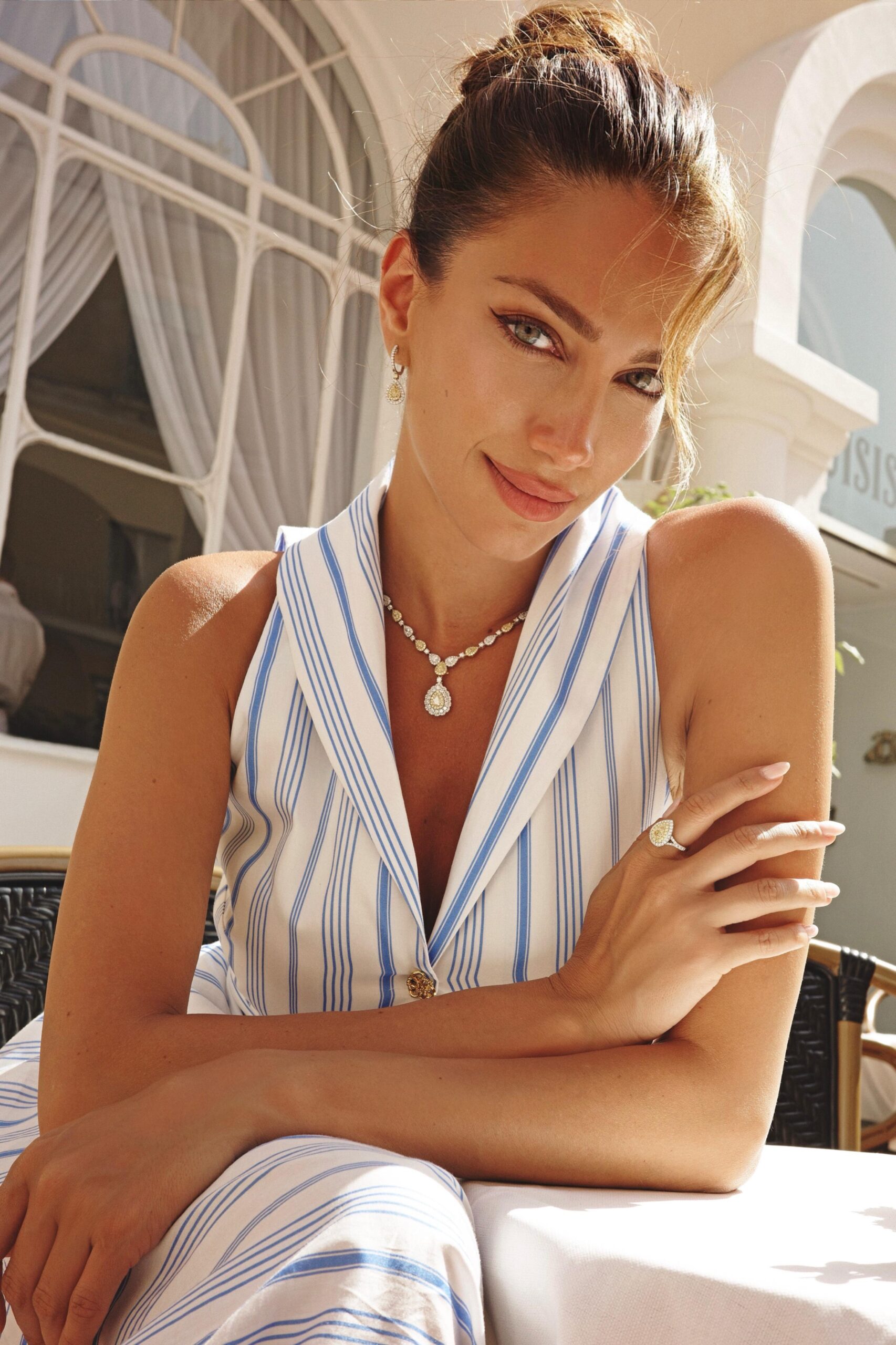
- Statement accessories: Minimalist jewelry, designer eyewear, and elegant bags elevate looks.
Influences Driving the New Workwear
1. Wellness Culture
The emphasis on well-being influences style choices. Clothing that supports movement, reduces stress, and adapts to home office setups is preferred.
2.Gender Fluidity
Power Dressing 2.0 embraces gender-neutral styles, breaking down traditional menswear/womenswear divides to prioritize fit and function.
3.Tech-Driven Work
Digital meetings and virtual backgrounds shift focus to the upper body’s appearance, inspiring polished tops and blazers paired with comfortable bottoms.
4.Casualization of Fashion
The widespread acceptance of “business casual” accelerates flexibility, encouraging creative combinations and layering.
Key Pieces in Power Dressing 2.0
Soft Blazers and Jackets
Tailoring remains essential but with a softer silhouette. Blazers crafted from jersey, knit, or unlined wool offer structure without restriction.
Silk and Knit Tops
Luxurious yet comfortable tops provide polish on video calls and in person, blending elegance with ease.
Wide-Leg and Tailored Trousers
Comfort meets style with trousers that flow or taper gently, designed for sitting at desks and walking meetings alike.
Midi Skirts and Dresses
Versatile enough for office and social settings, midi lengths paired with boots or flats balance professionalism and personal style.
Smart Sneakers and Loafers
Footwear combines comfort with sophistication, accommodating commutes, standing, and walking.
Minimalist Accessories
Delicate gold or silver jewelry, statement watches, and quality leather bags add finishing touches without clutter.
Styling Tips for the Hybrid Professional
- Layer thoughtfully: Pair blazers with knitwear or silk tops to adapt to temperature changes.
- Mix textures: Combining soft and structured fabrics adds depth and interest.
- Choose timeless colors: Neutrals like beige, navy, black, and cream offer versatility, with pops of jewel tones for personality.
- Invest in quality basics: Durable, well-fitting staples create a foundation for multiple outfits.
- Prioritize fit: Even relaxed pieces should flatter your silhouette to convey confidence.
The Role of Sustainability in New Workwear
Hybrid work encourages slower wardrobe rotation and investment in quality. Sustainable brands offering durable, eco-friendly fabrics fit naturally into Power Dressing 2.0.
Capsule wardrobes and mindful shopping minimize waste and reduce decision fatigue, aligning style with ethics.
How Employers Are Responding
Companies are revising dress codes to reflect evolving norms. Many adopt “smart casual” or “flexible dress” policies, empowering employees to choose what suits their roles and comfort.
Some organizations encourage style workshops or provide guidelines for virtual meeting attire, recognizing the role of appearance in brand representation.
The Psychological Power of Dressing Well
Studies show that dressing intentionally impacts mood, productivity, and confidence—a phenomenon called “enclothed cognition.” Power Dressing 2.0 leverages this by enabling individuals to feel empowered whether at home or office.
When employees look and feel good, it enhances presence in meetings, decision-making, and creative thinking.
Looking Ahead: The Future of Workwear
As hybrid work stabilizes and evolves, workwear will continue to adapt:
- Smart textiles with temperature control and stain resistance will grow in popularity.
- Personalization through AI styling apps will help build efficient work wardrobes.
- Greater inclusivity will ensure styles and sizes fit diverse bodies and identities.
- Cross-industry influences from sportswear, tech wear, and streetwear will inspire innovation.
Power Dressing 2.0 is more than a fashion update; it’s a reflection of how work, life, and identity intersect today. By blending comfort, style, and authenticity, it empowers professionals to navigate the hybrid era with confidence and grace—ready for whatever the day demands.
Passionate about journalism and media, I am committed to producing content that is not only informative and engaging but also drives social change. I advocate for women’s empowerment and gender equality, mentoring aspiring female journalists and media professionals. My approach is rooted in creativity, collaboration, and a relentless pursuit of excellence, ensuring that every project I undertake achieves its maximum potential.